Features
Shells
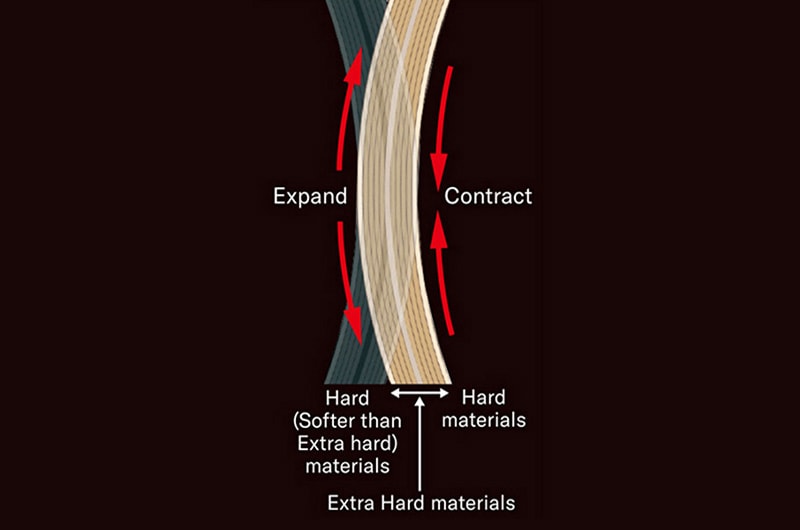
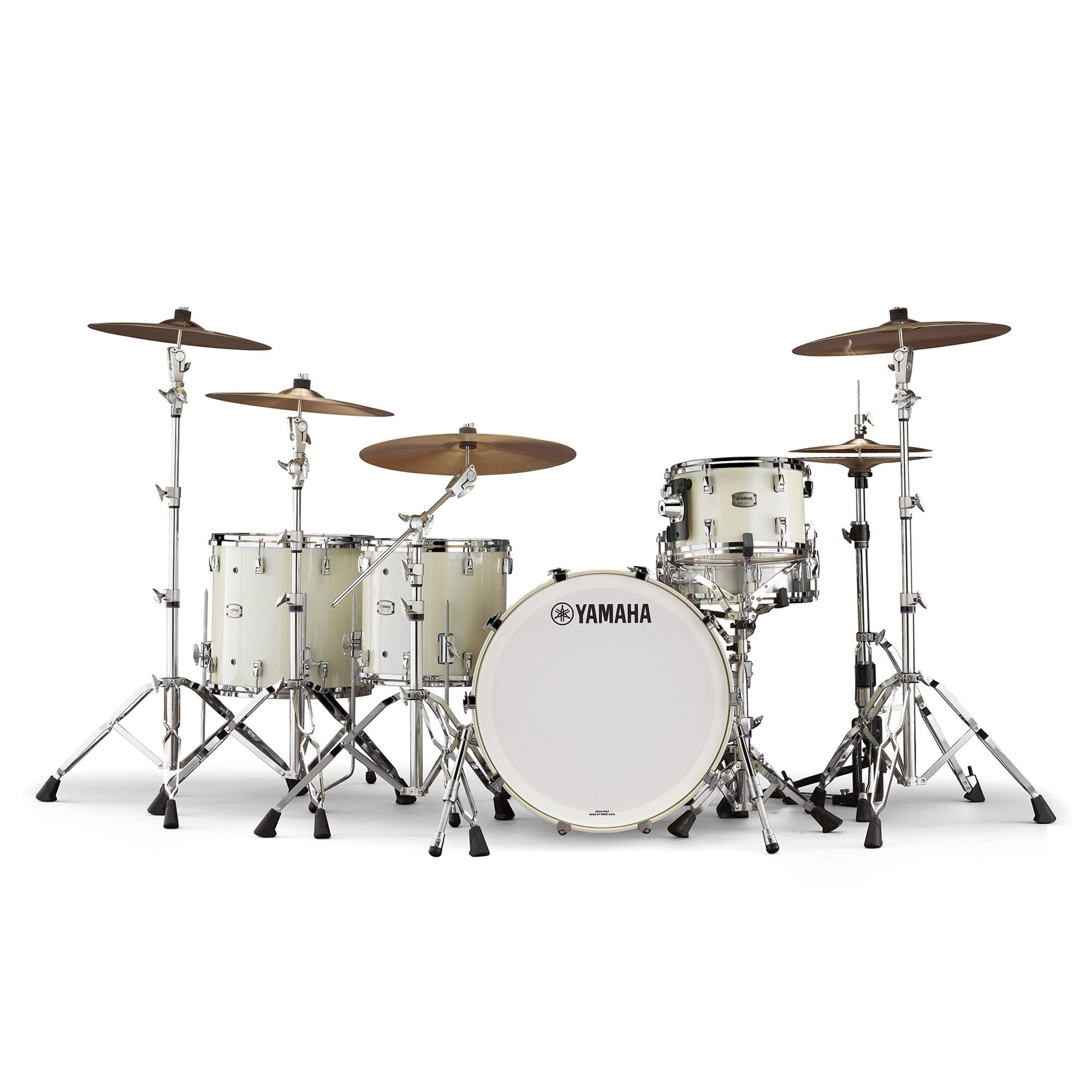
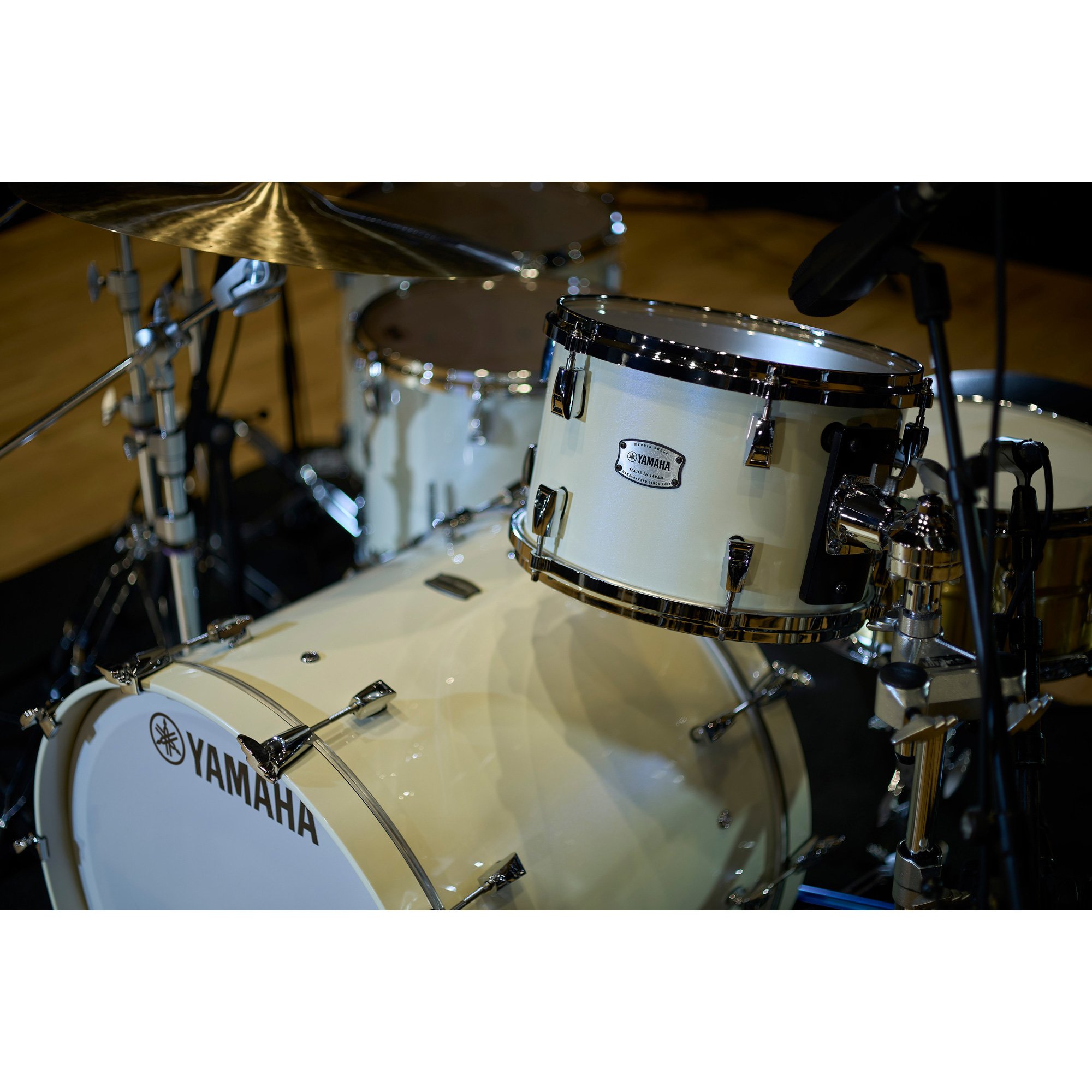
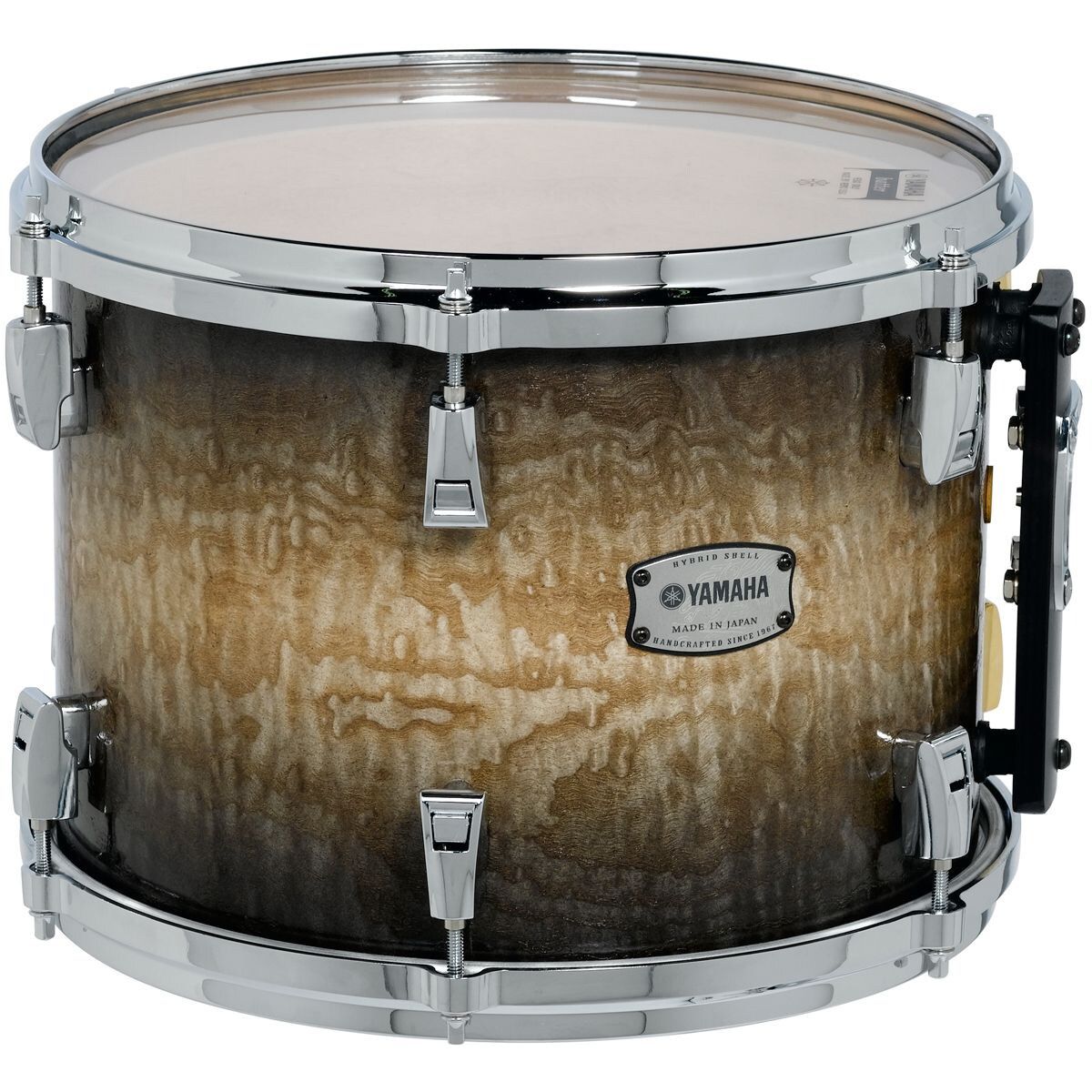
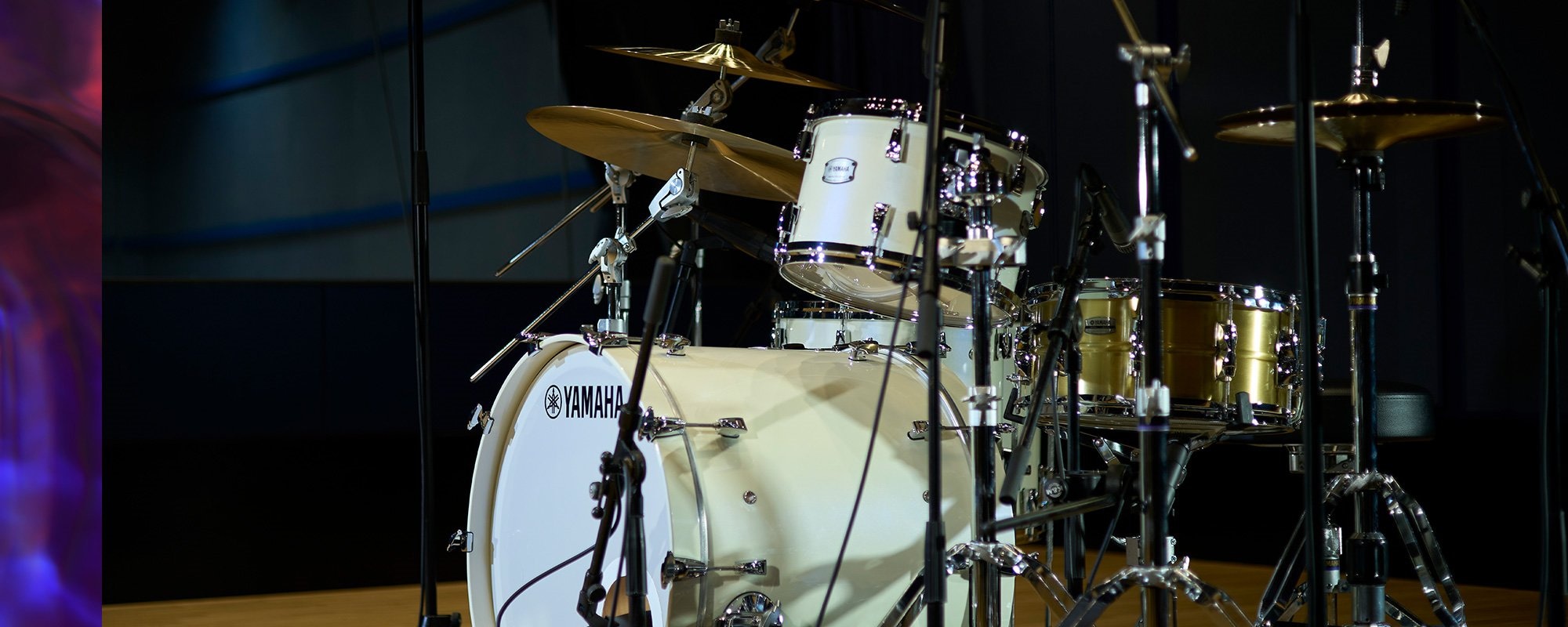
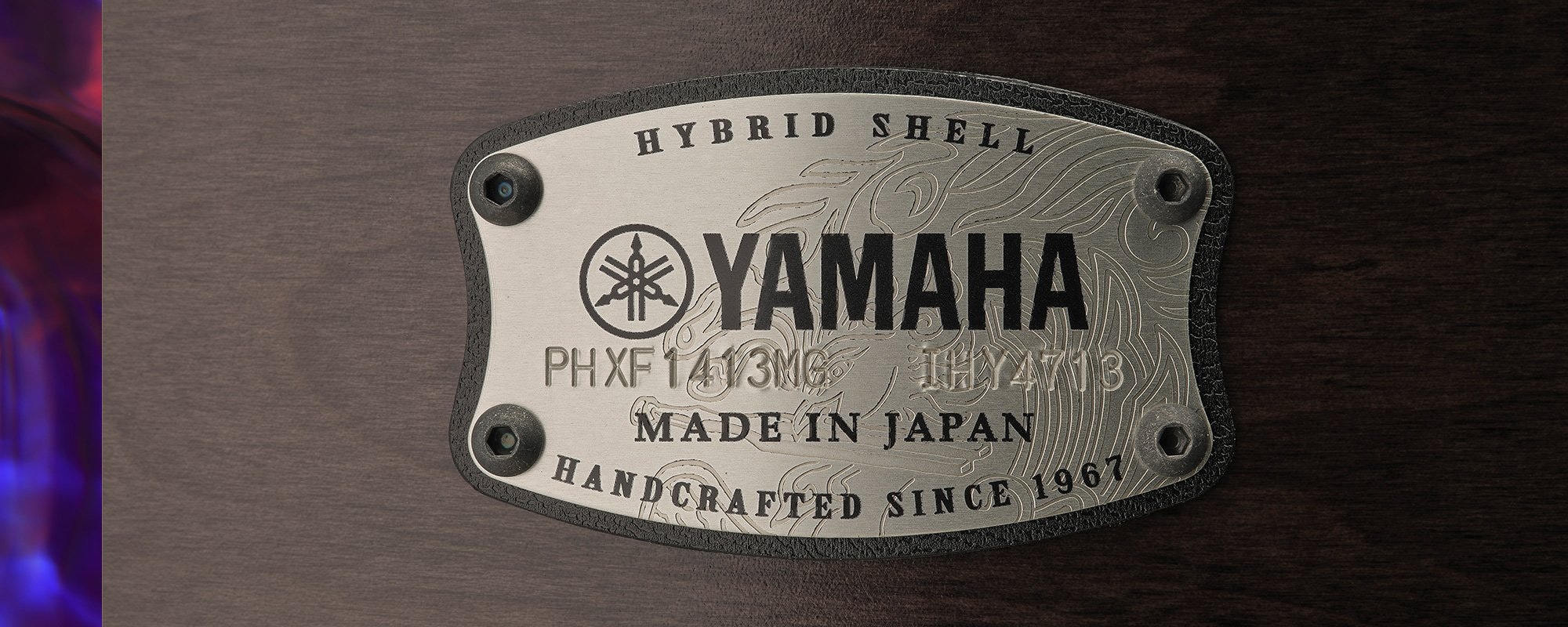
The shells of the PHX are 11-ply hybrid shells. The woods used are progressively harder from the center ply to the outer plies. The center ply is jatoba; this is a very hard wood' and it "anchors" the fundamental of the shell. Sandwiched on either side o...
Features
Shells
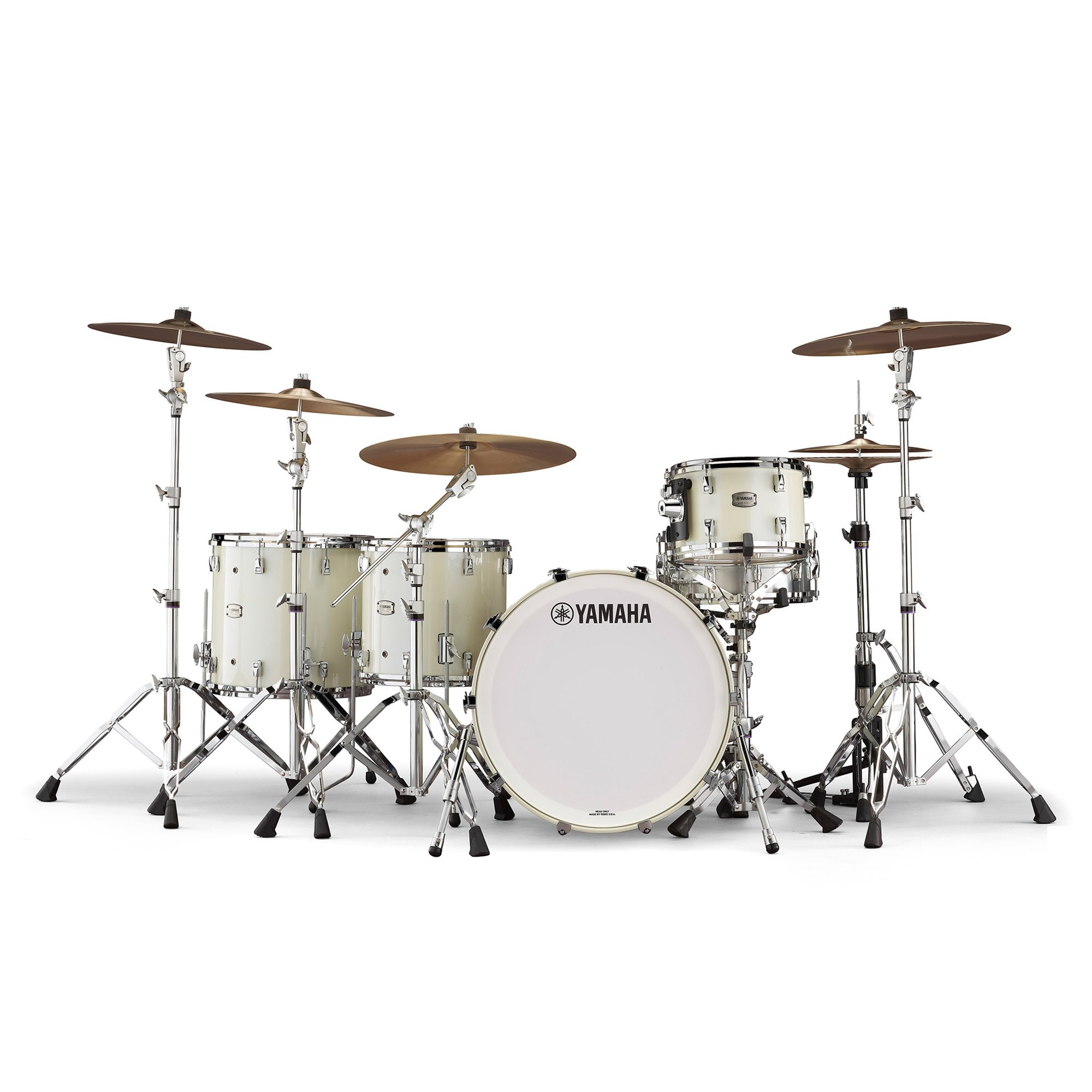
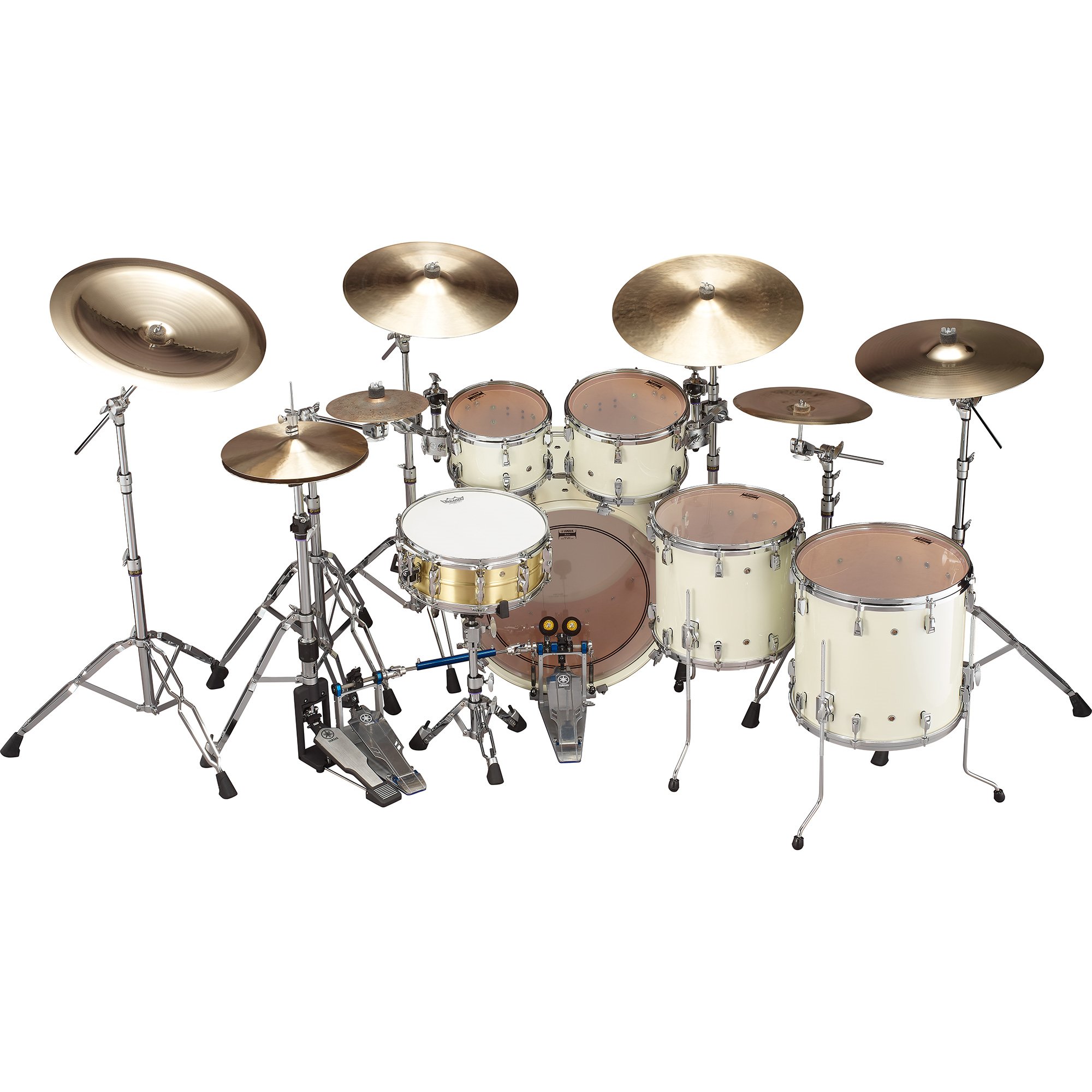
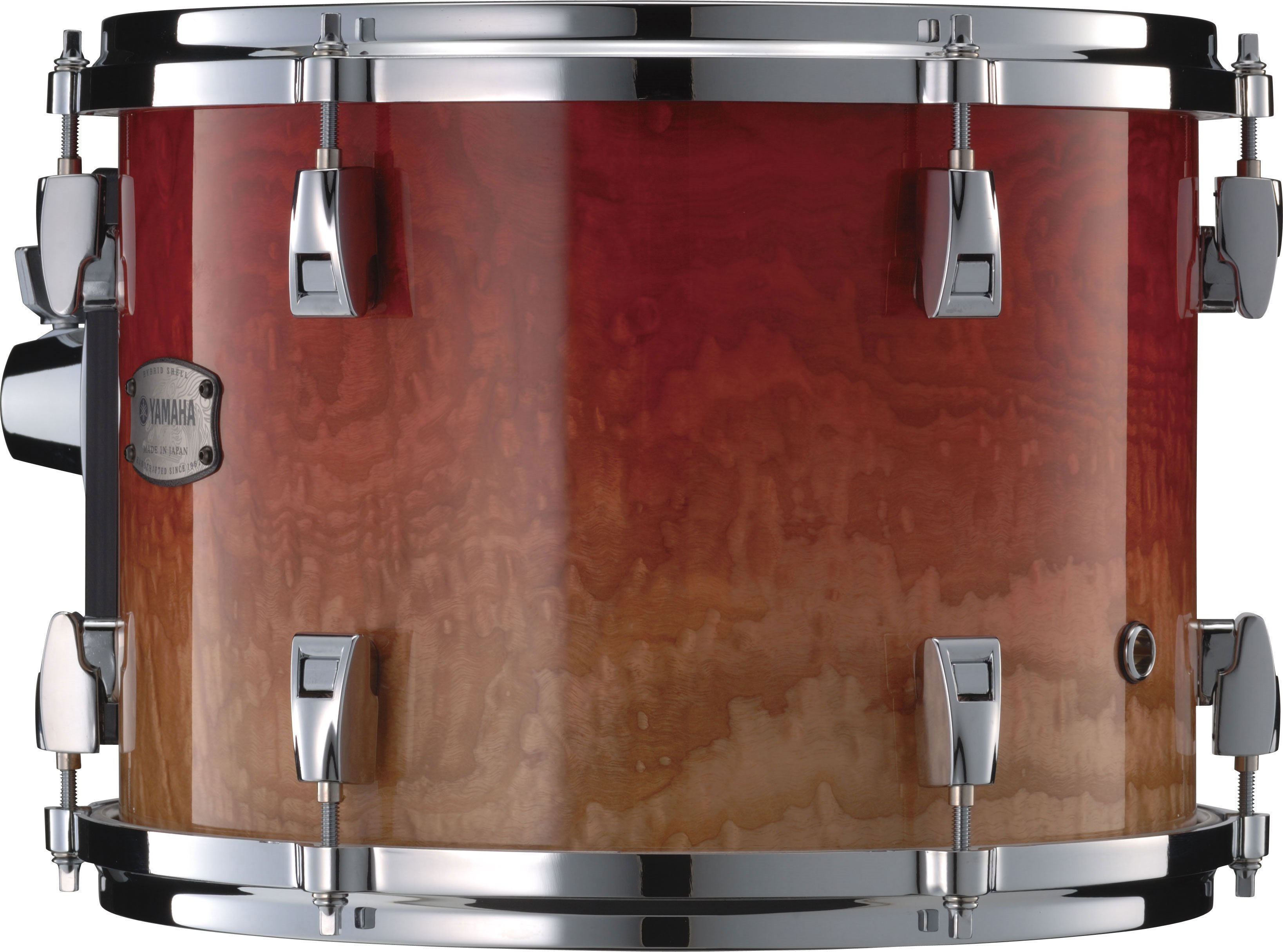
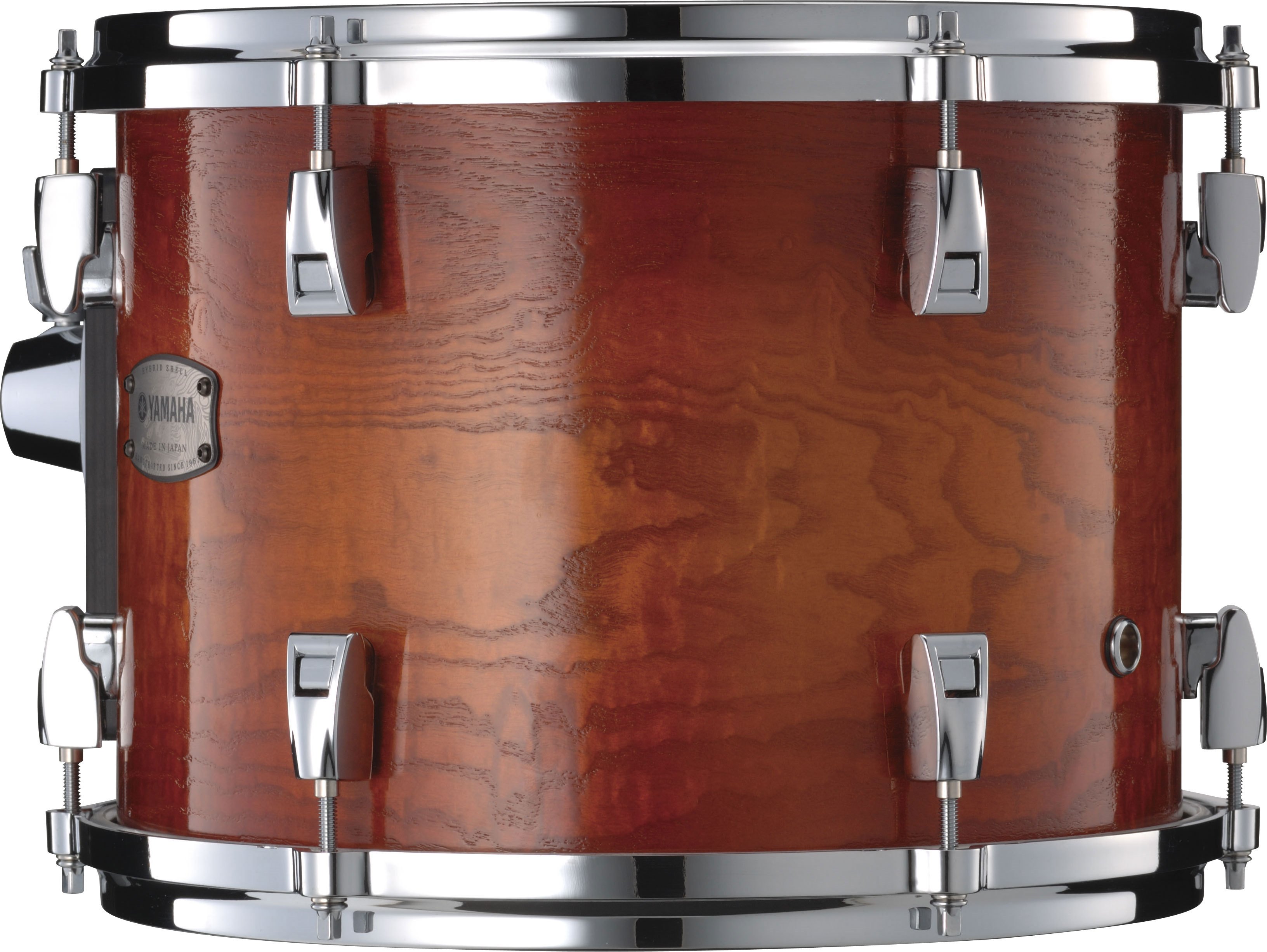
The shells of the PHX are 11-ply hybrid shells. The woods used are progressively harder from the center ply to the outer plies. The center ply is jatoba; this is a very hard wood' and it "anchors" the fundamental of the shell. Sandwiched on either side of this is kapur. This wood is in the mahogany family and adds warmth to the sound of the drum. The inner and outer plies are maple, except in the case of drums using the optional burled ash outer ply. These drums use an outer half-ply each of maple and burled ash. Maple rounds out the tone adding high and mid frequencies to the shell.
Bearing edges
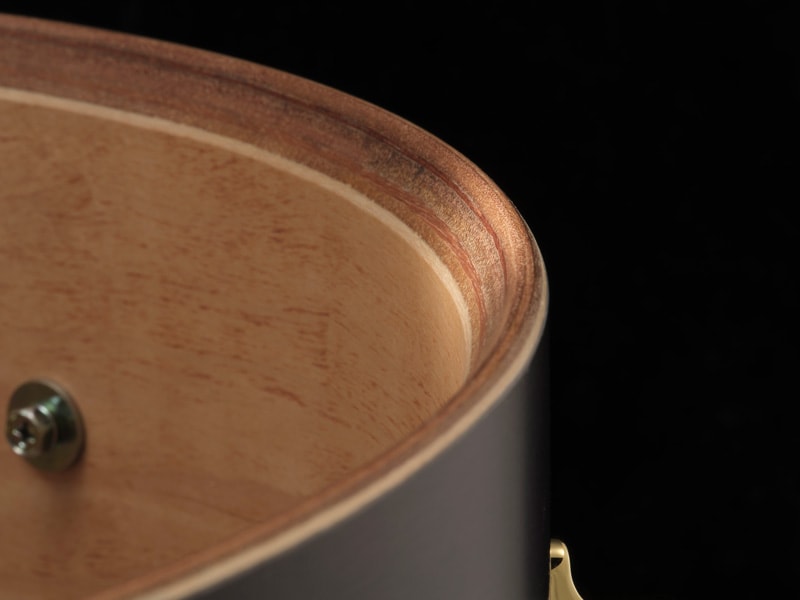
All drums have a 30° bearing edge, but each "family" of drums uses a different profile. Bass drums have a sharper edge cut toward the outer plies. This gives the bass drums attack and shortens the decay. Floor toms have a slightly rounded edge to give them a perfect balance of attack and sustain, making them very articulate at all dynamic levels. Toms have an even more rounded profile for warmth and sustain. This combination of shell composition and bearing edges makes PHX what many of our artists described as "the most musical drums [they] have ever played".
Hardware
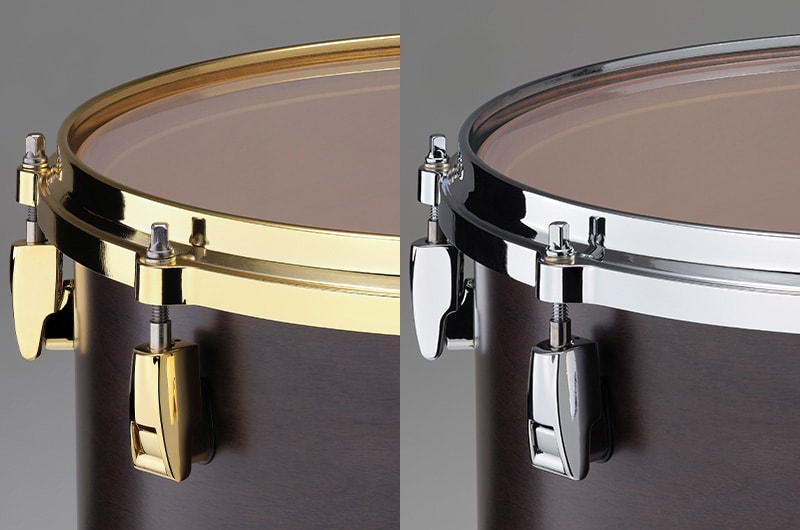
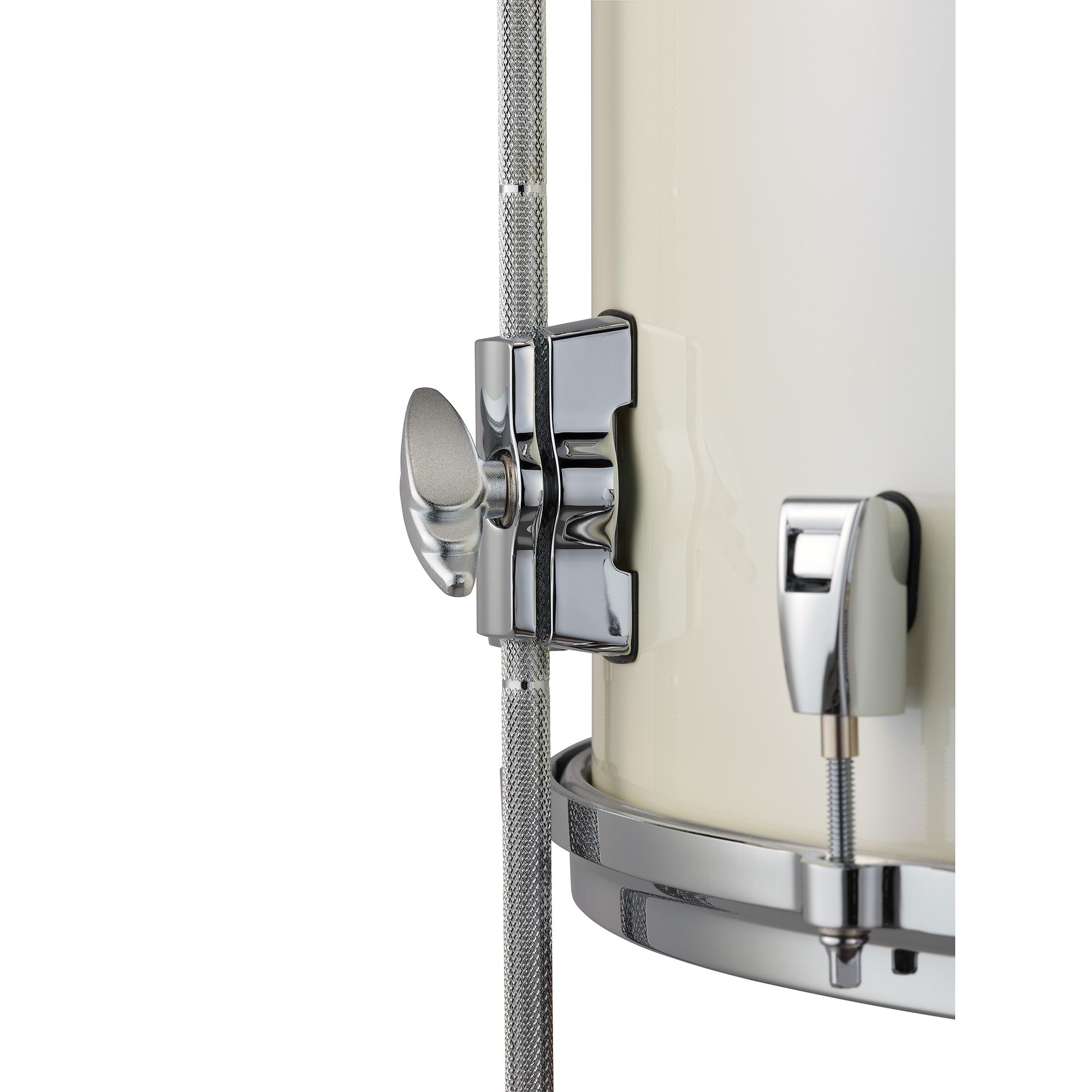
PHX uses redesigned versions of the Nouveau lug and YESS. The new lug mounts on a square hook rather than a round post. This keeps the tension rod in perfect vertical alignment and eliminates the need to use two hands while tuning the drum. We used the aluminum die-cast hoops made popular on our Absolute series for PHX. These hoops are very light but rigid, giving you the open, warm sound of a triple-flanged hoop and the accurate tuning of a die-cast hoop. Lugs and hoops are available in chrome or gold.
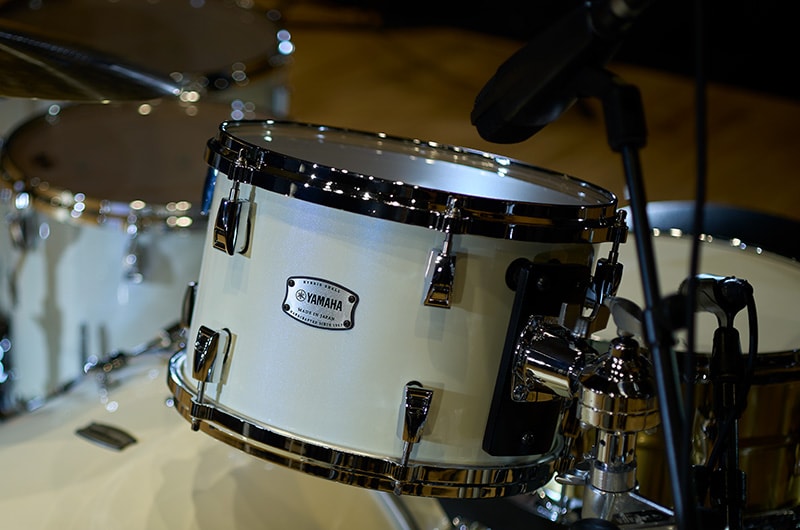
The new version of the YESS mounting system supports the drum at the top and bottom. The new version mounts the tom bracket onto a piece of the shell, and that wooden plate is isolated or shock-mounted using rubber grommets. A 3-piece fastening system is used to attach the new YESS to the shell, and the inside and outside fasteners do not touch. This system totally isolates the drum and allows the full tone to come through and maximizes sustain.
Finishes
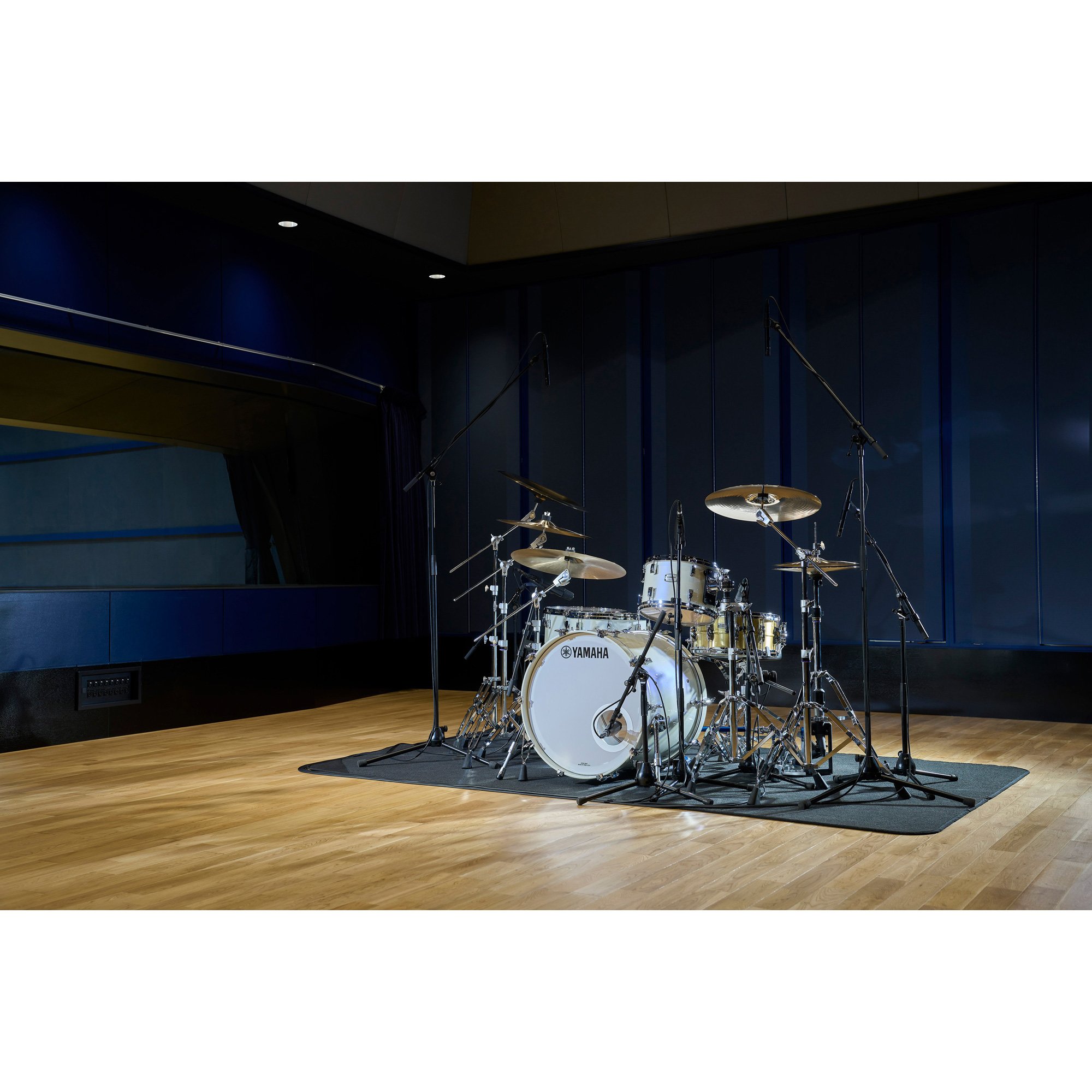
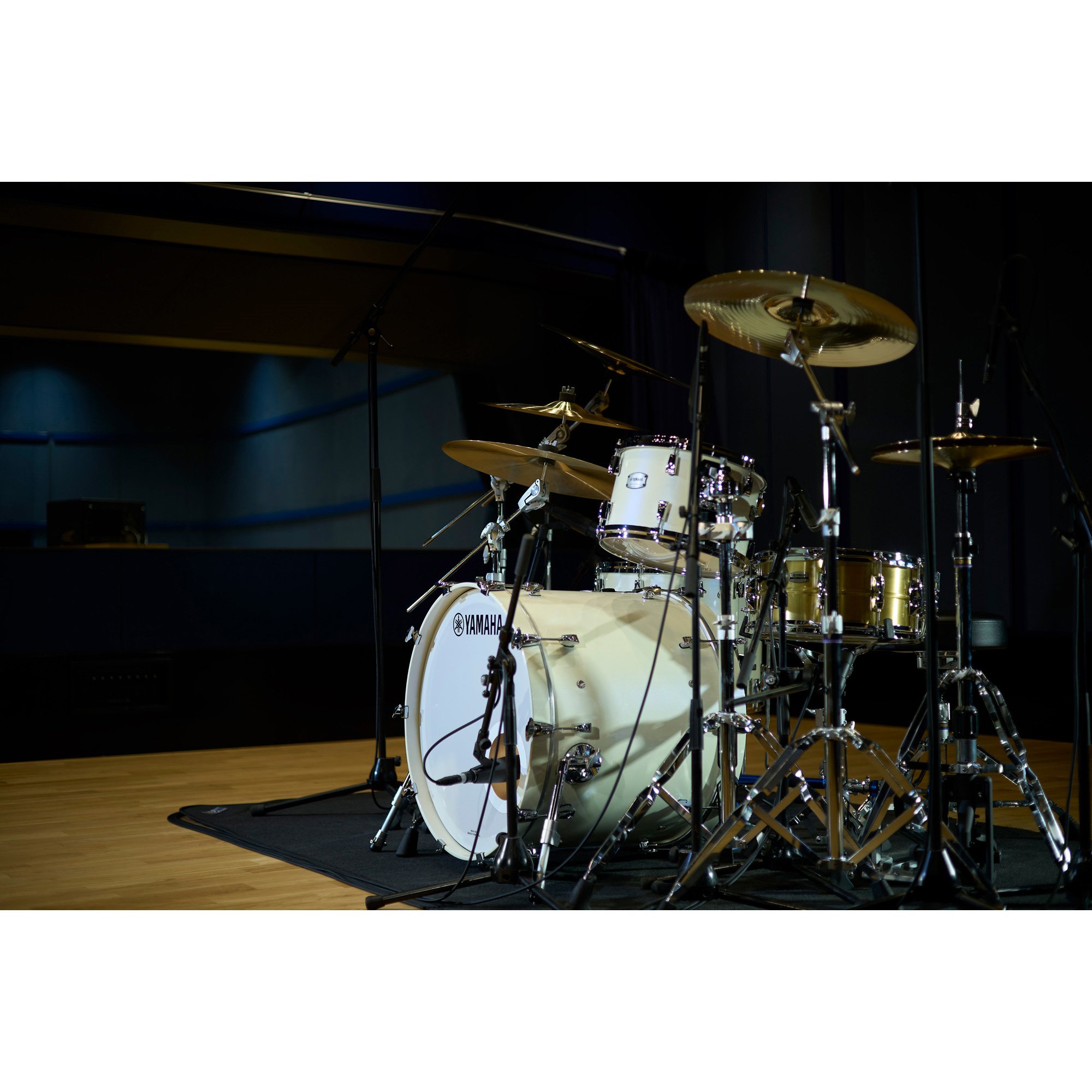
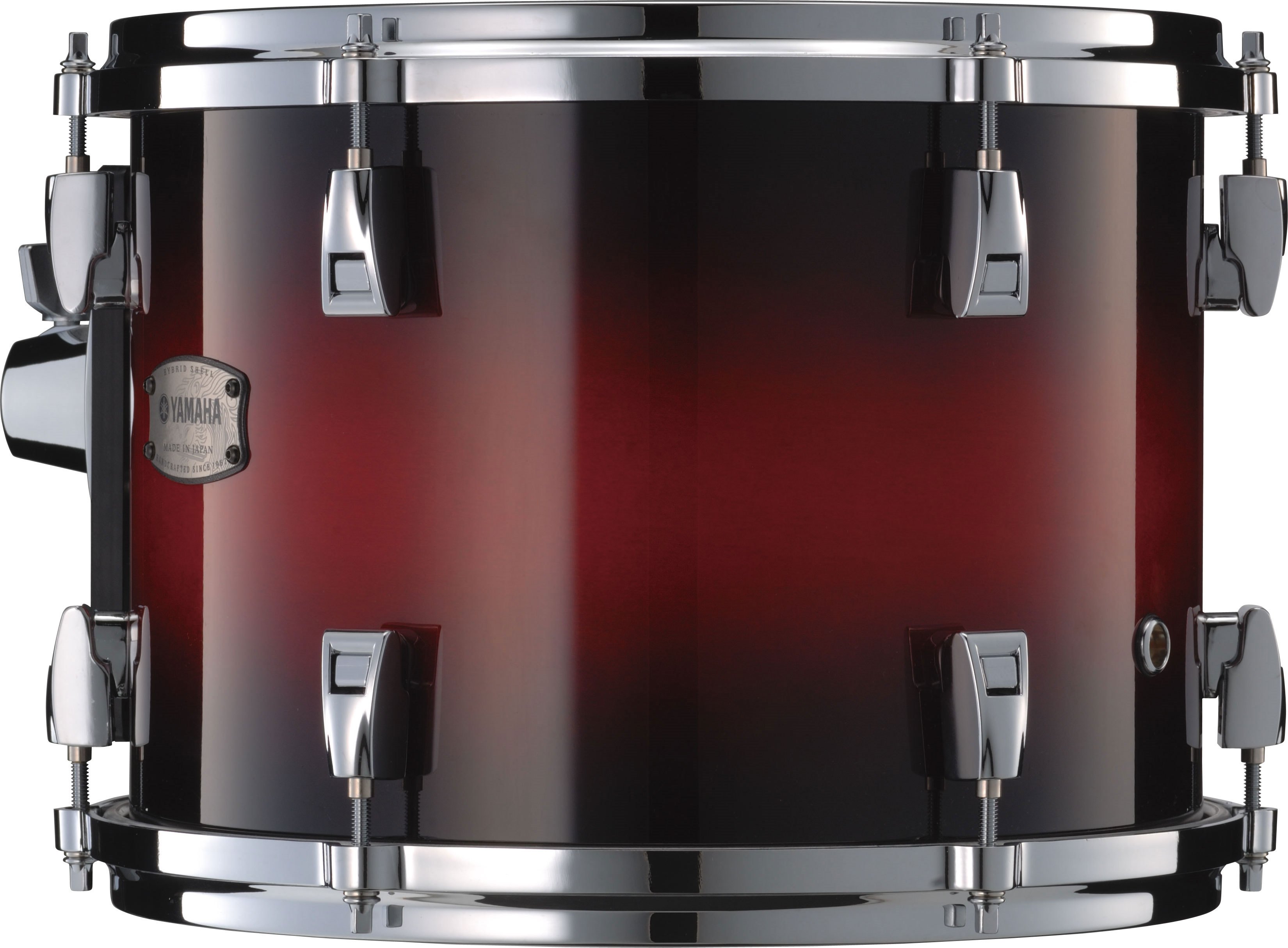
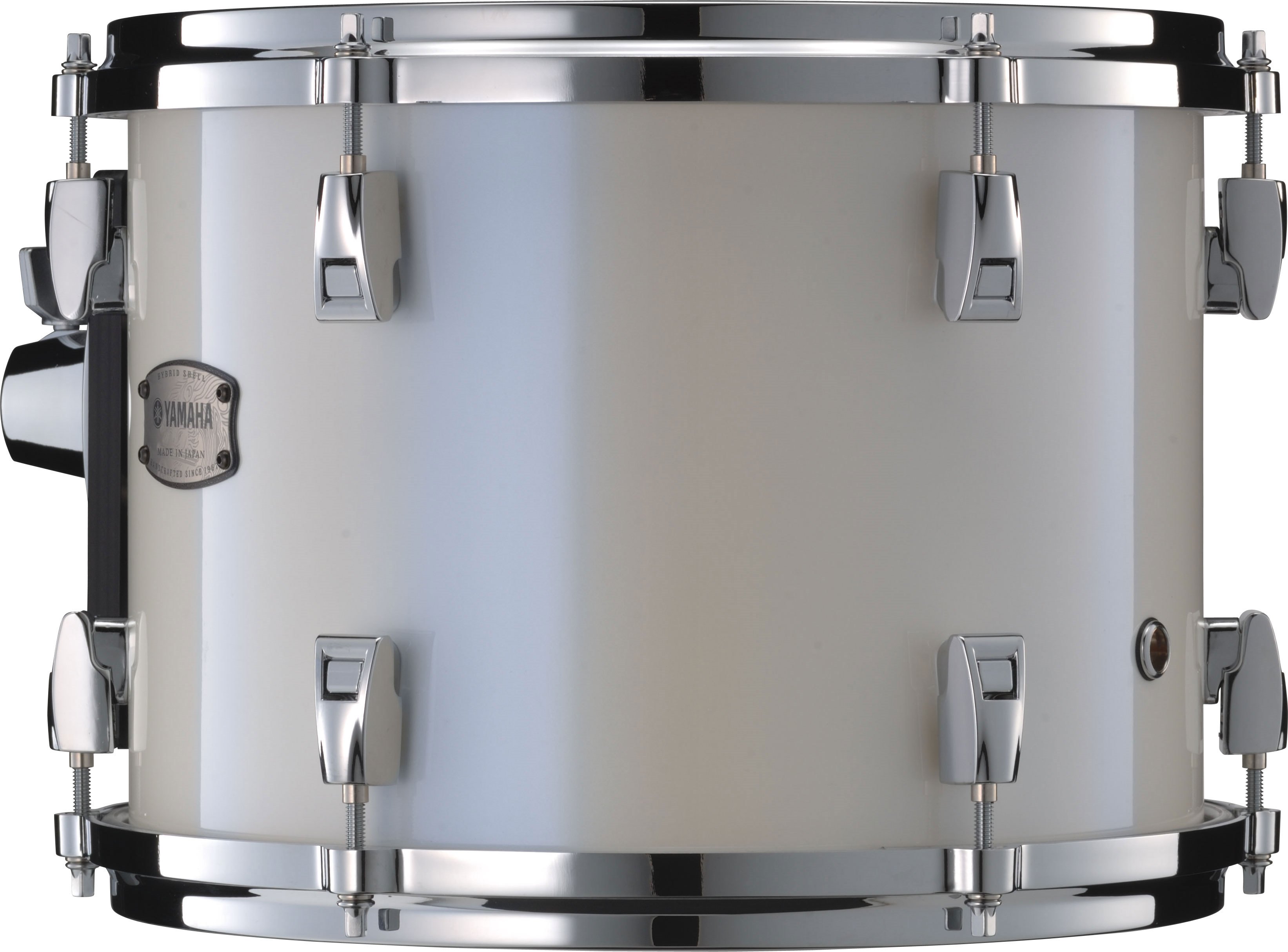
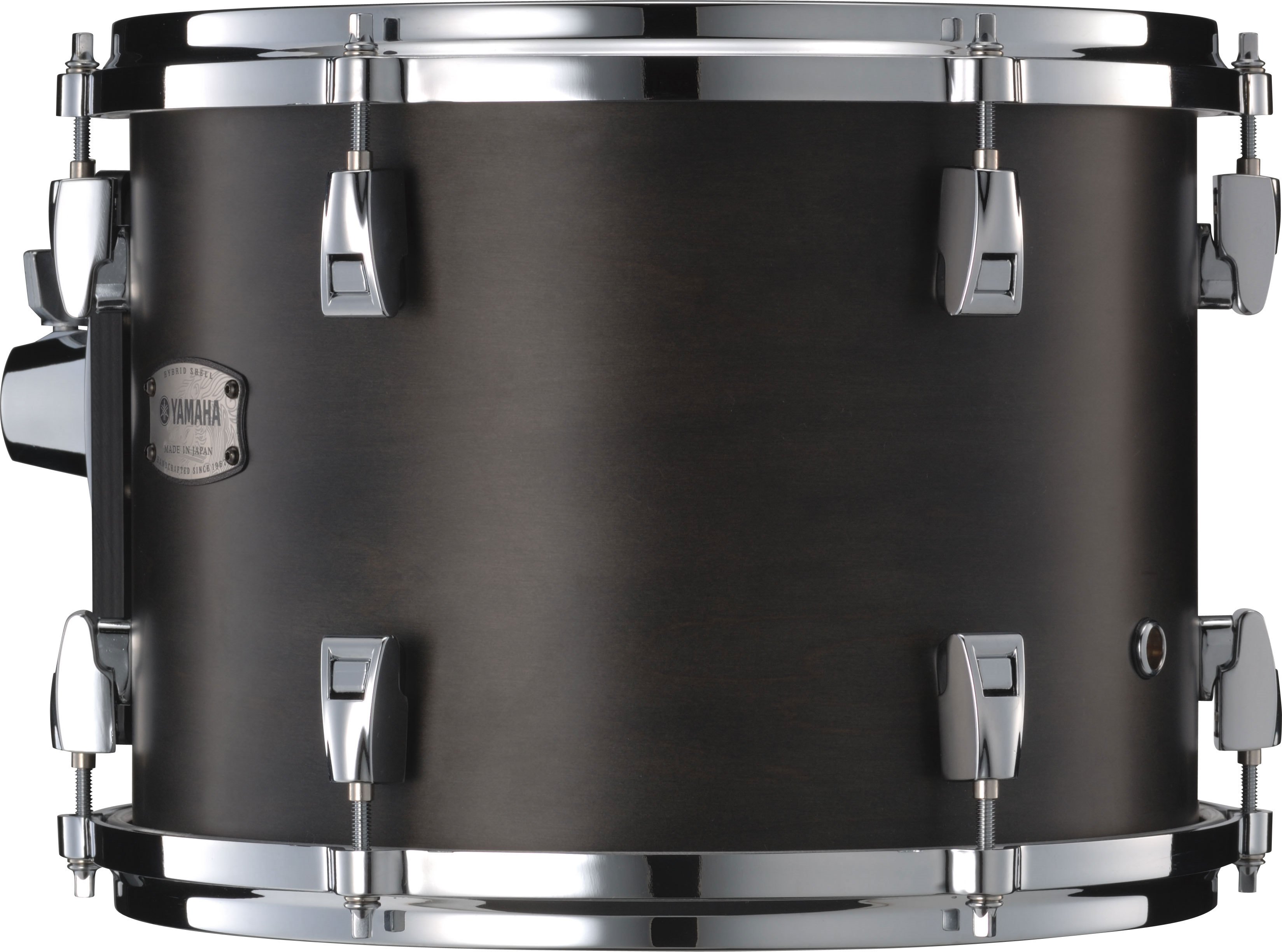
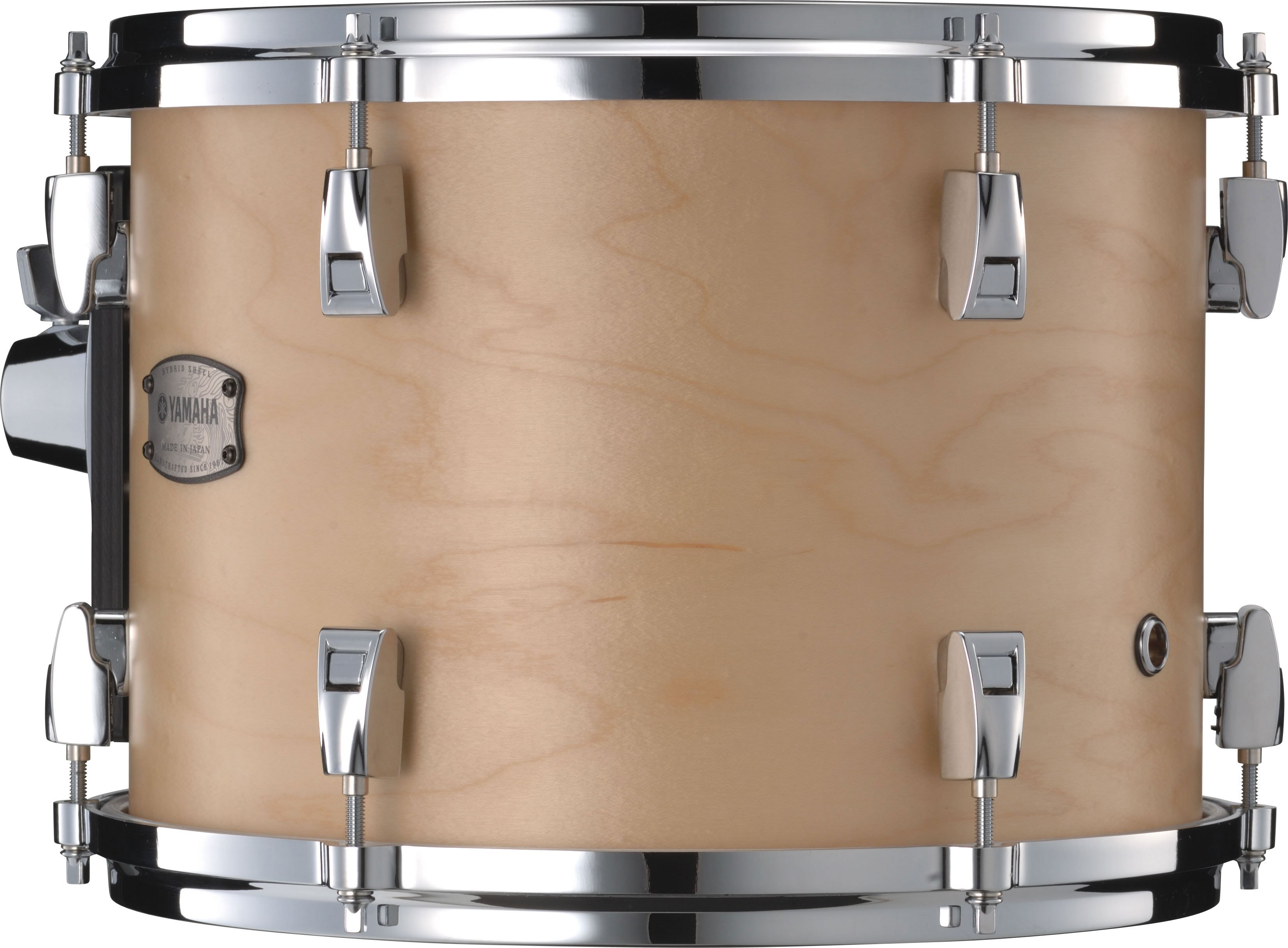
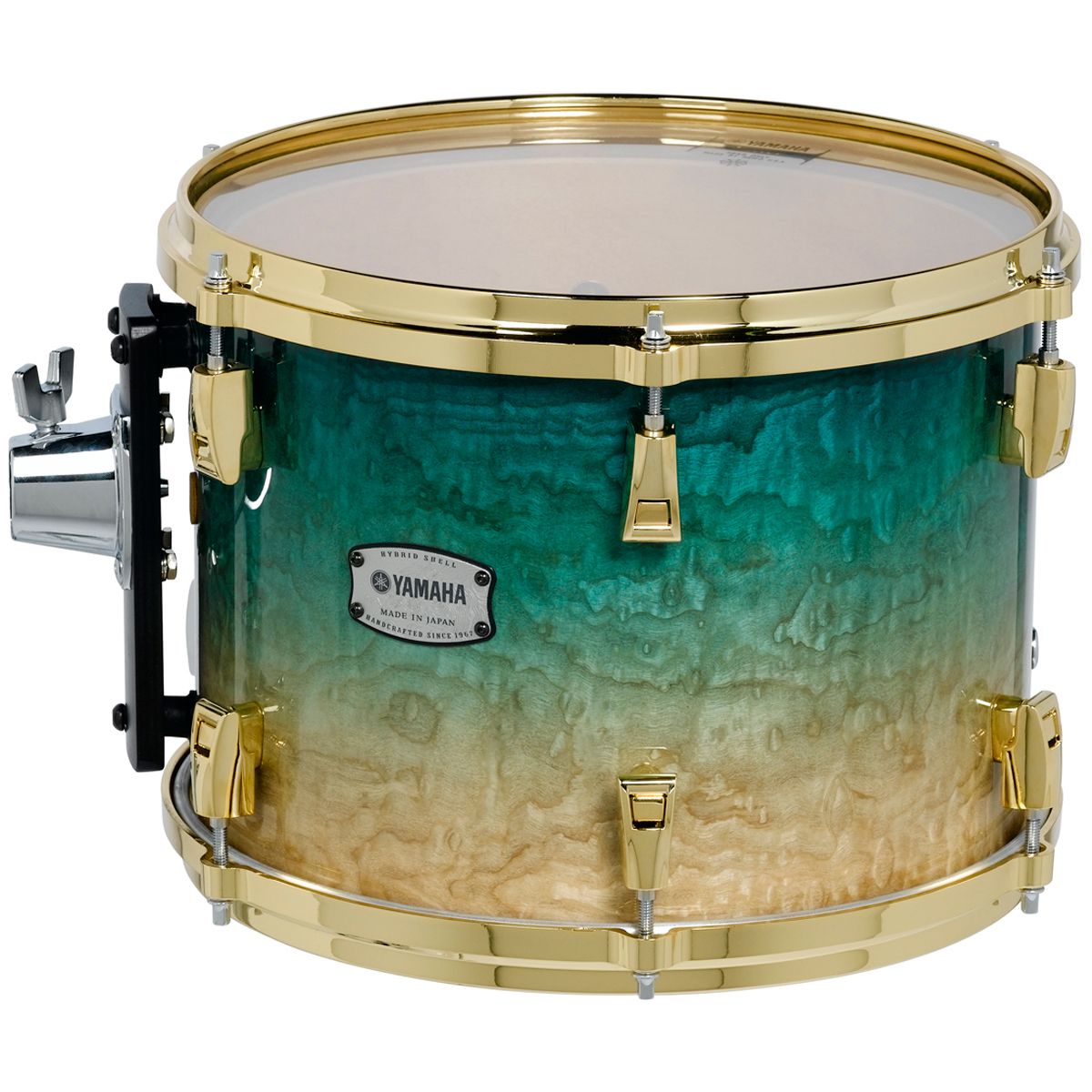
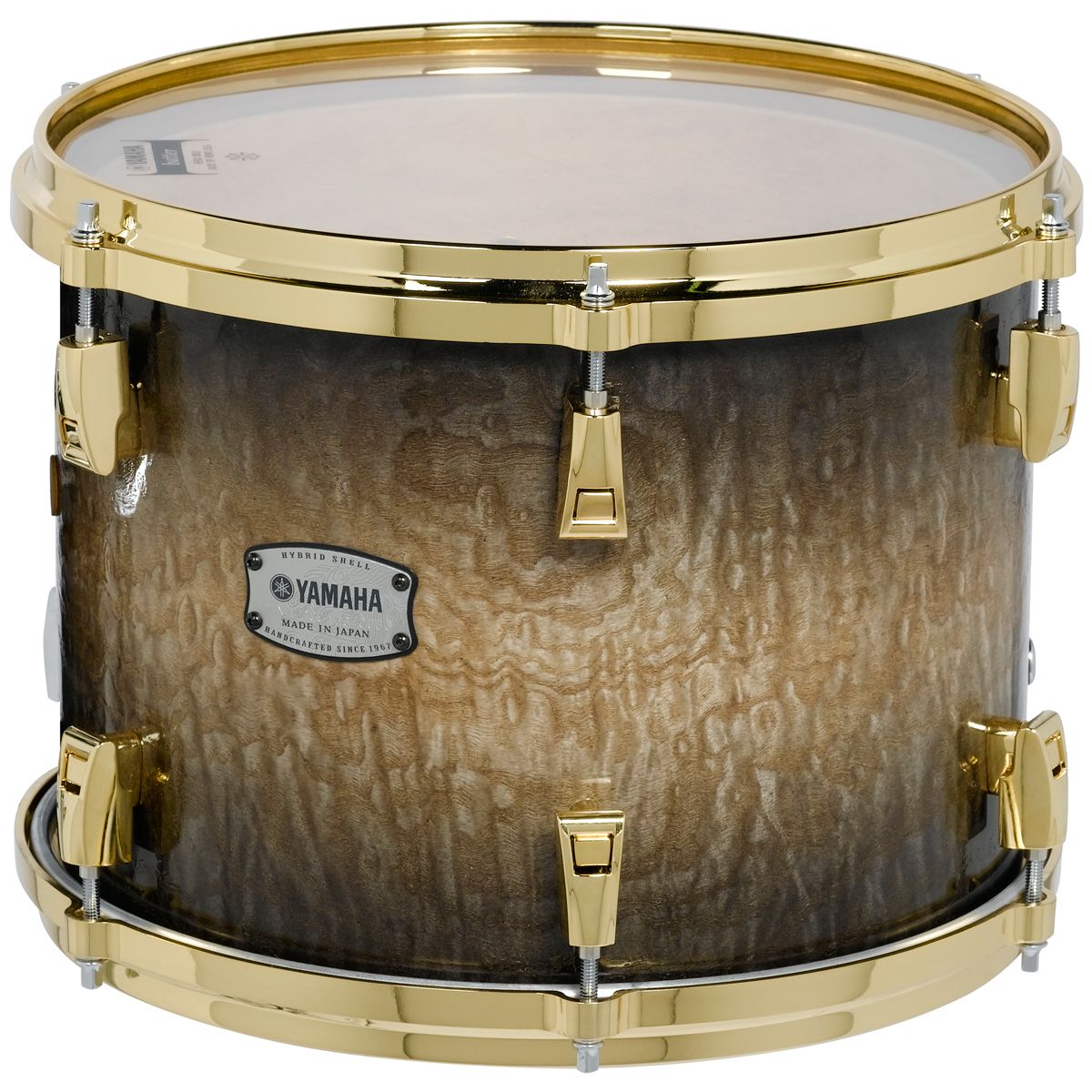
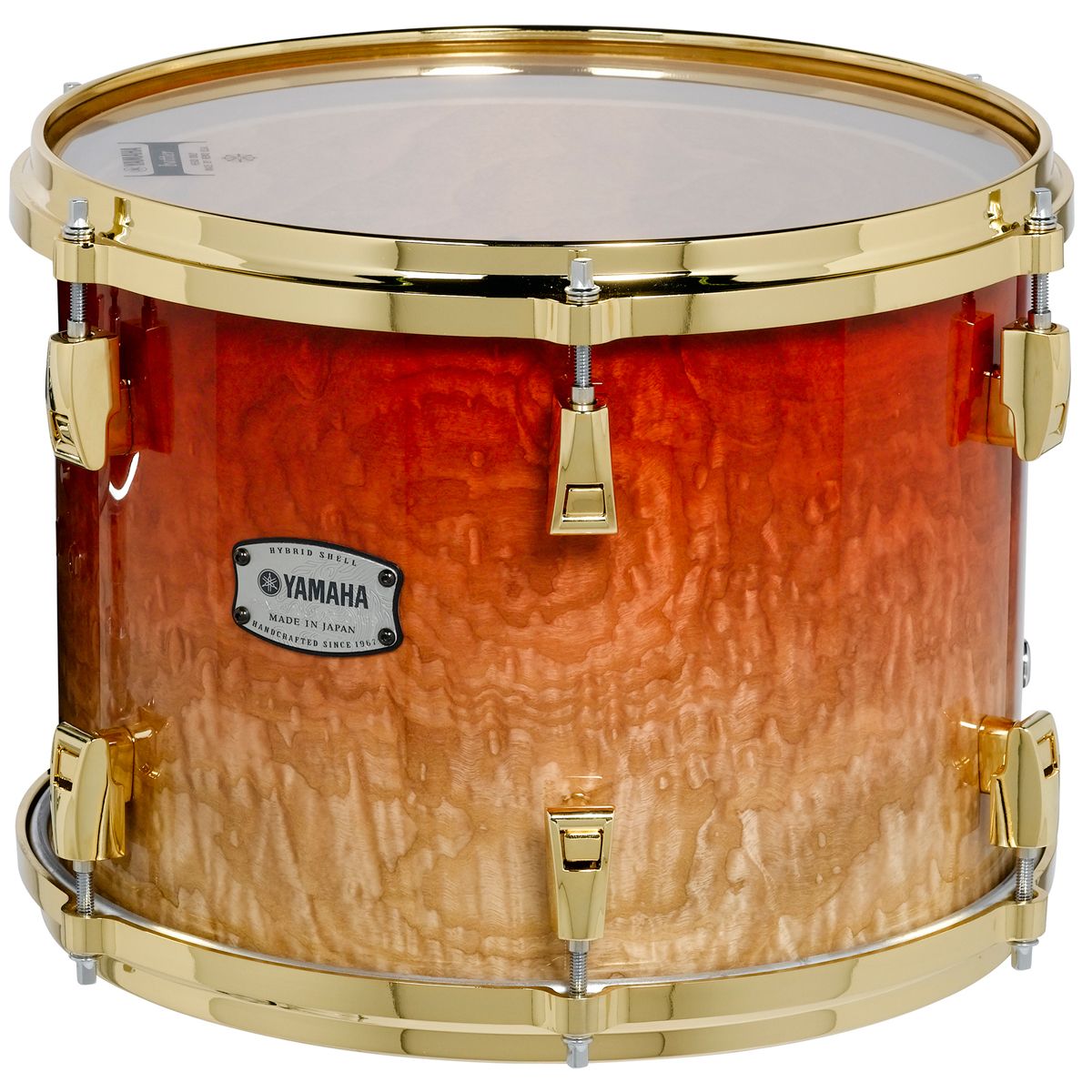
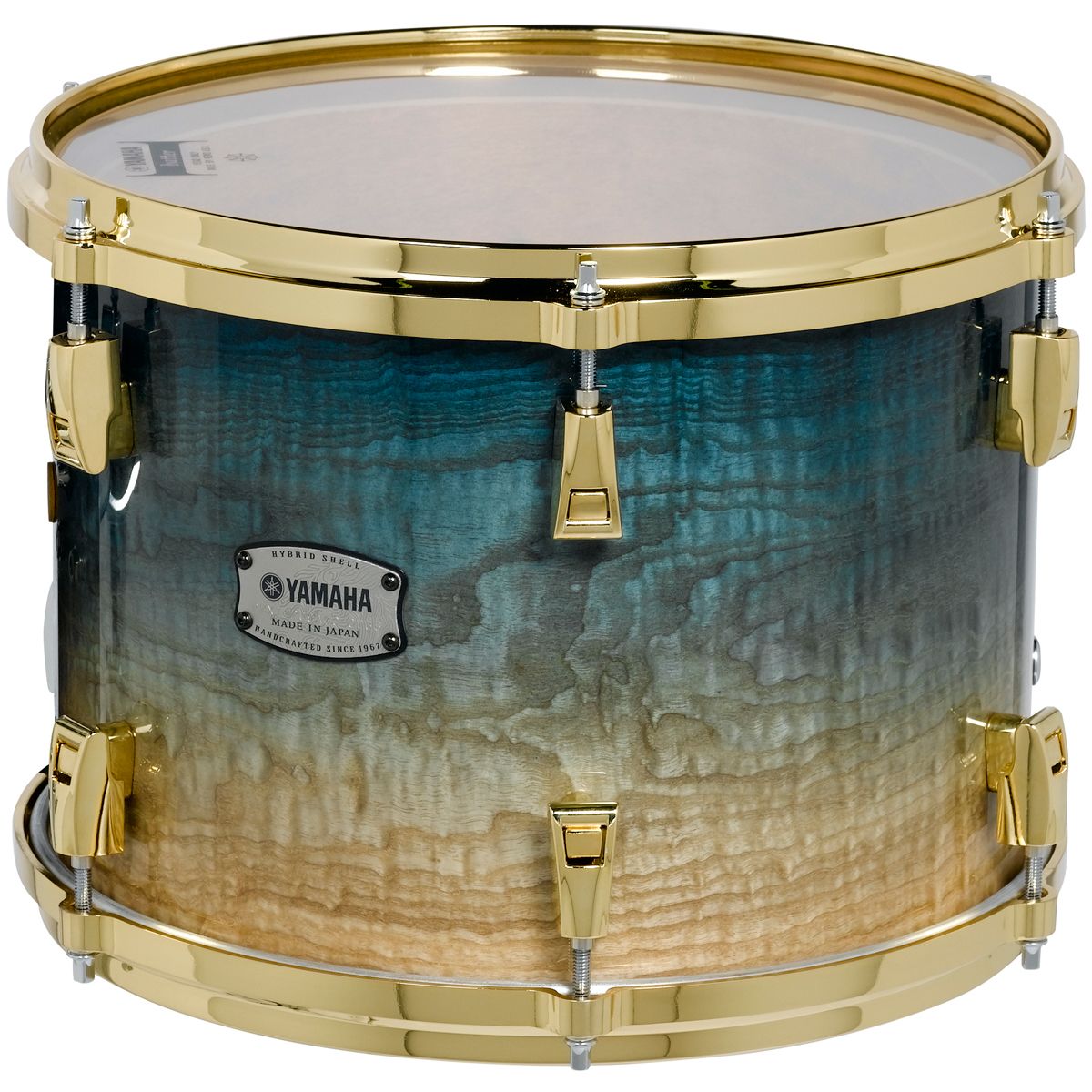
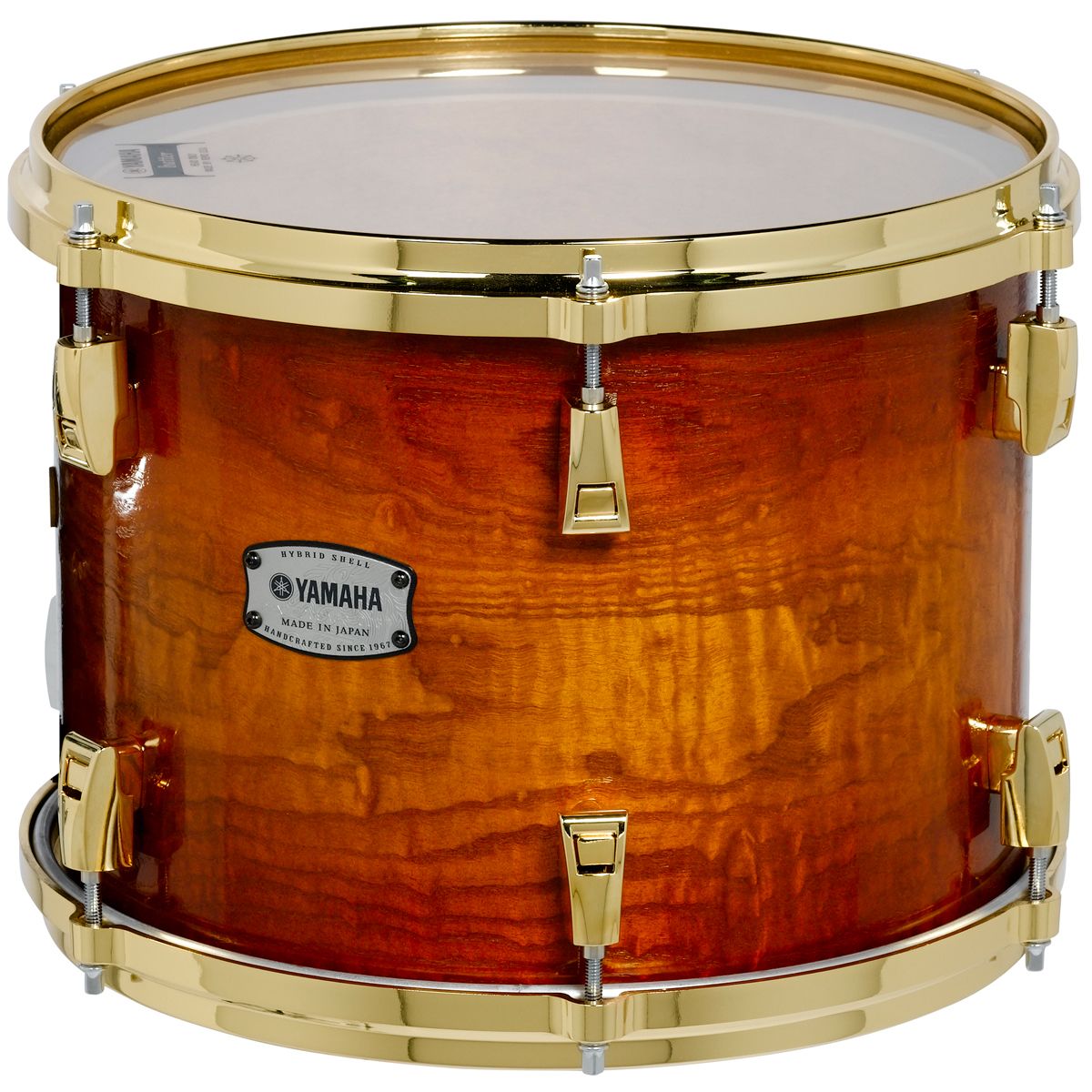
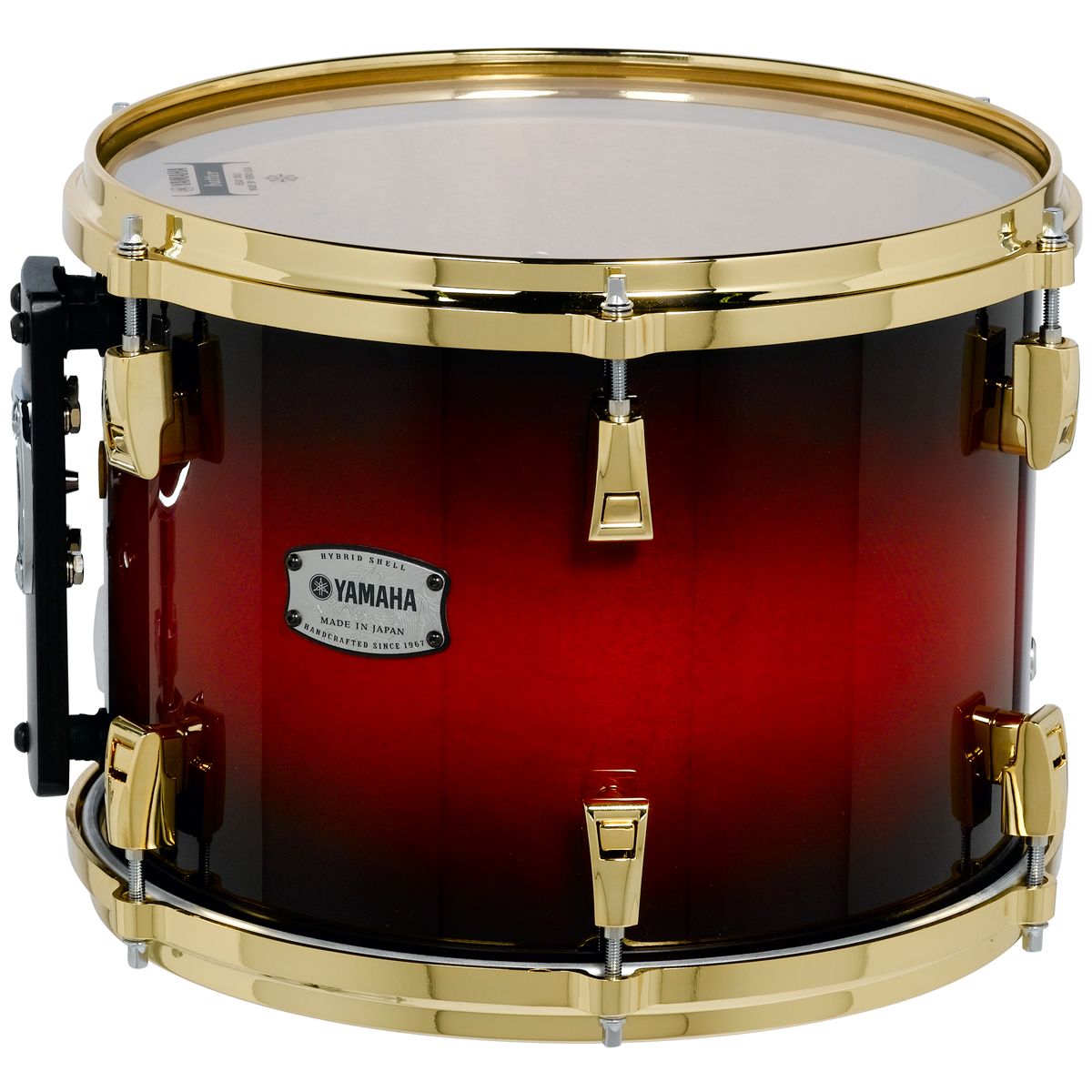
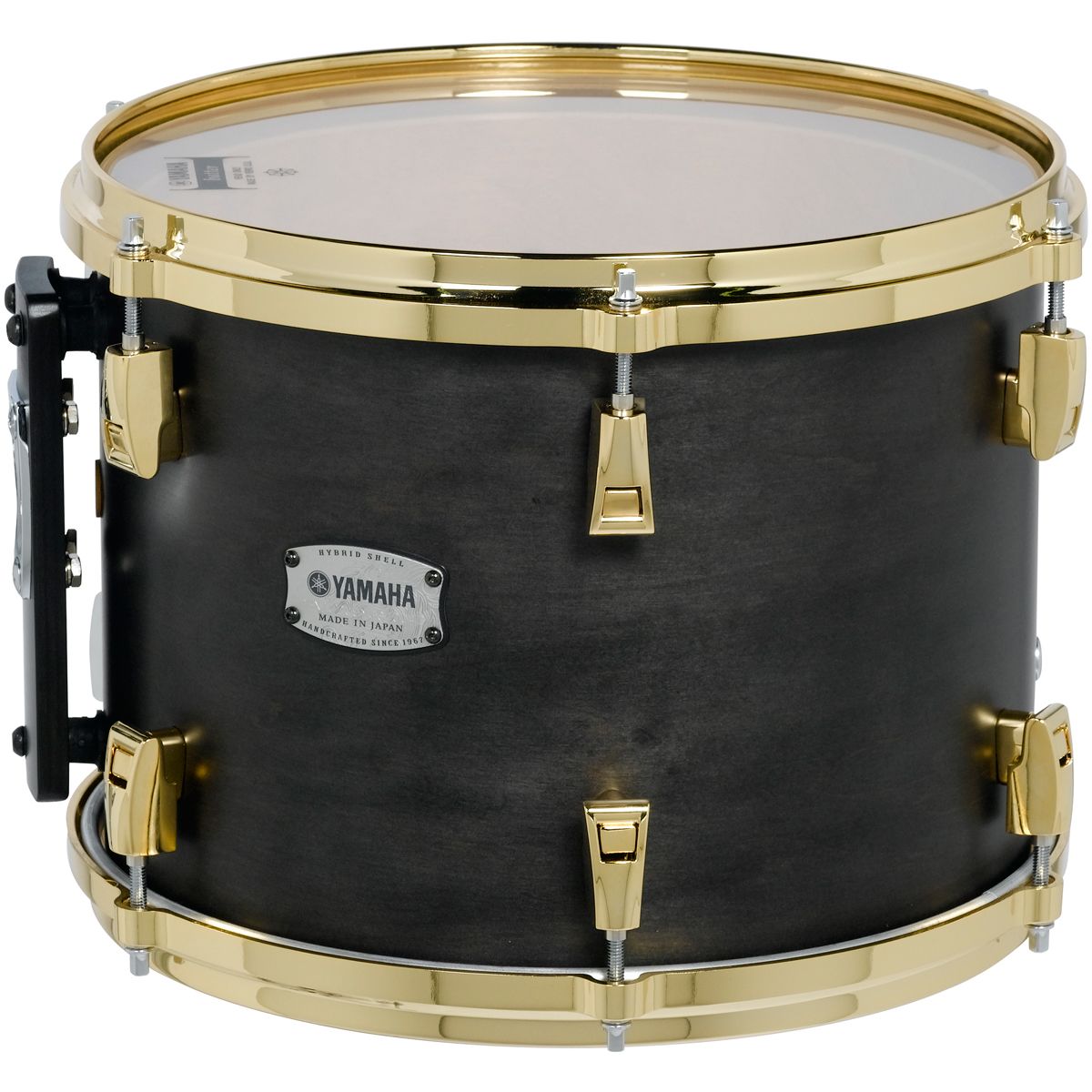
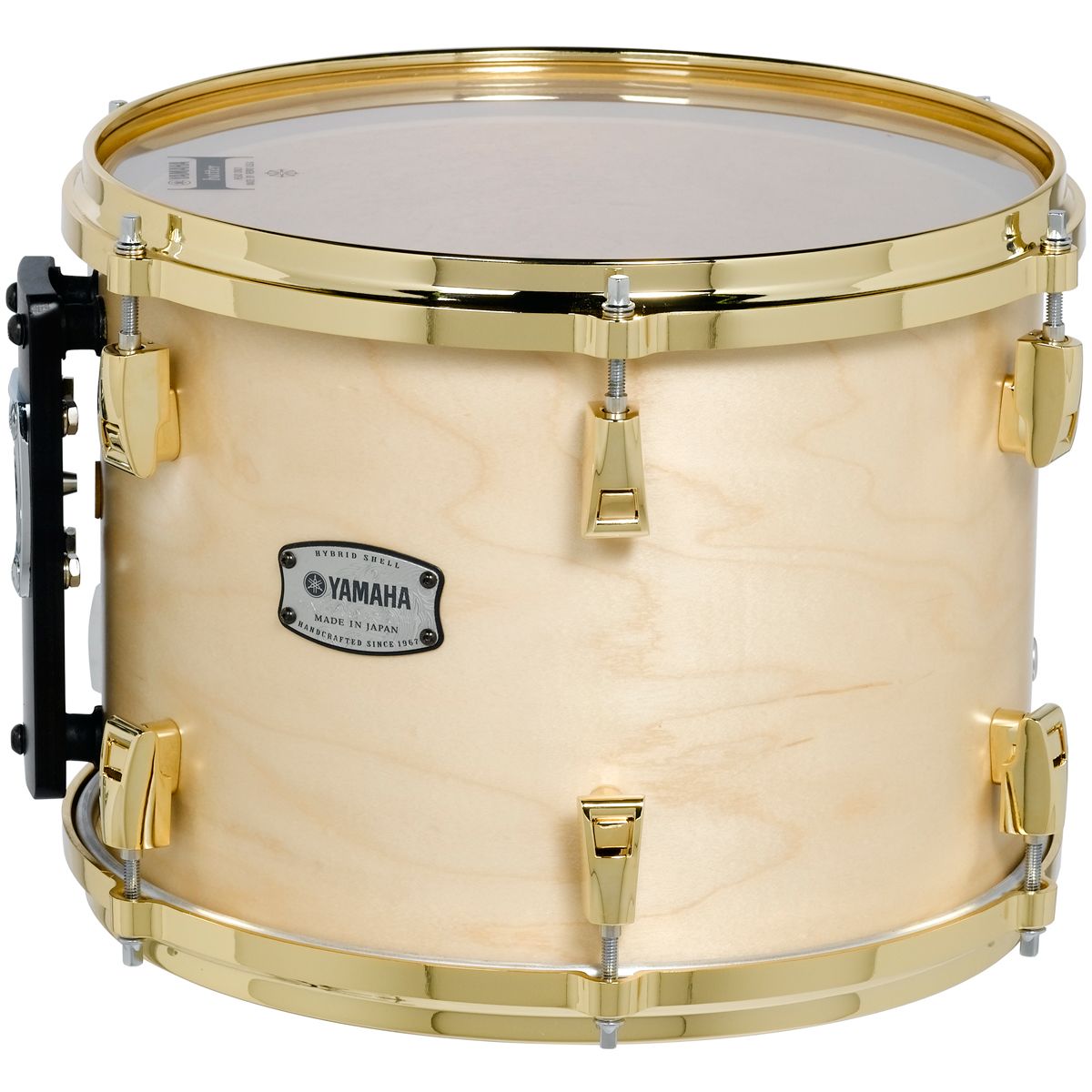
PHX is available with either maple and burled ash exterior plies, and with gold or chrome hardware. The finishes available on the maple outer ply are:
- Matte Natural
- Matte Black
- Polar White
- Cherry Sunburst
The finishes available on the burled ash are:
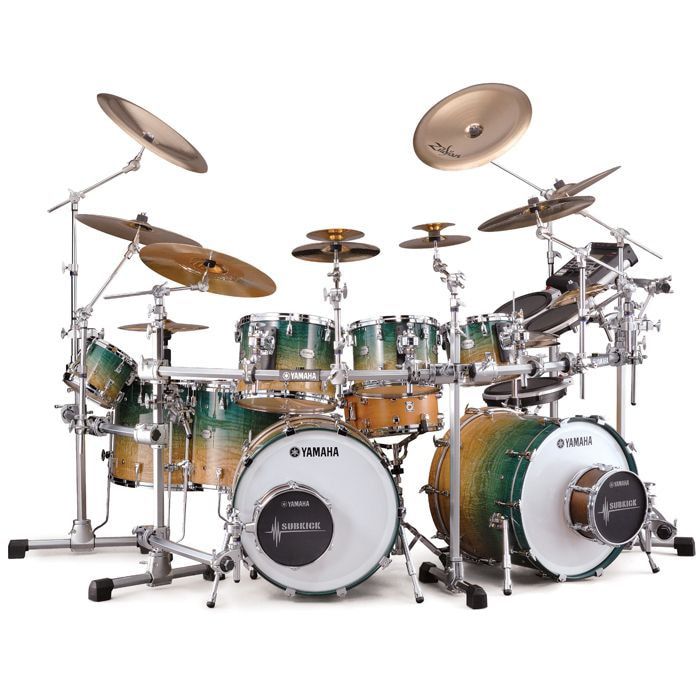
- Garnet Fade
- Sapphire Fade
- Turquoise Fade
- Textured Amber Sunburst
- Textured Black Sunburst
Technology
Audio & Video
The first models were produced at Yamaha's Niitsu factory in Hamamatsu, Japan, and later at our Miyatake factory as well. Many drummers who are familiar with Yamaha today believe that Sakae Rhythm was the original Yamaha production facility, but in fact production was started at Yamaha's own factories. Another common misconception is that our Air Seal System was developed at Sakae Rhythm, but it was actually developed and introduced right from the first models that were produced at our own factories. One of the earliest Yamaha drum brochures shows the original Yamaha production facility and describes Air Seal System technology, a Yamaha innovation that is a vital part of our identity as a drum manufacturer to this day.
Al Foster, who was touring Japan with the Miles Davis at the time, signed on to become a Yamaha endorser in 1972.
This was the turning point at which Yamaha drums began to be recognized as world-class instruments that satisfied the requirements of leading professionals in the field.
Shell mounting hardware had been different for each series and model up until this time. The system drum concept brought about the unification of all drum mounting hardware so that drums and hardware from any series could be mixed and combined as required.
Hexagonal rods and holder bases of the same specifications were used for all models, and the diameter of all stand hardware piping and holders was fixed at 22mm to allow total system fiexibility and freedom.
Although this approach is commonplace among today's drum manufacturers, it was a revolutionary concept at the time. Just one of Yamaha's many innovations that have become standards.
Another Yamaha hardware innovation worthy of mention is the hide-away boom stand. It was patented at the time, but as soon as the patent expired all of our competitors began copying our design. Today it has become another "standard" feature.
This continuously adjustable ball clamp made it possible to position toms up, down, left, or right, to any position required with one quick action. The current design allows toms to be flipped over for convenient bottom-head tuning ... a feature that is greatly appreciated by both drummers and drum technicians. Like the hexagonal mounting rod, the ball clamp has become a symbol of Yamaha hardware superiority.
This model featured 100% birch shells, one-piece lugs, and a gorgeous sprayed finish. Maple was the most popular material for drum shells at the time, following the trend set by jazz drums from the U.S.A. Through our own research related to pianos and wind instruments, we had realized that birch would be an ideal material for drum shells. We were also the first to apply piano finishing techniques to drums, eschewing the veneer covering that was common at the time. The full force of Yamaha technology was applied to the production of this landmark product.
The use of one-piece lugs to enhance the natural hardness of the birch shells resulted in a tight, well-defined sound that was enthusiastically adopted by many top artists of the day, including Steve Gadd and Cozy Powell. The sound was so well suited to recording that the YD9000 has become the most recorded drum set in history. The name was later changed to "Recording Custom," a model that is still widely used today.
Although there were concerns that a change from birch to maple shells might meet some resistance from users, Yamaha decided to introduce maple shells in order to accommodate changes in the music scene as well as evolving recording technology. From about the mid 80's, influenced by the emergence of fusion, drummers began demanding response and resonance that would suit the more elaborate phrasing used in that genre. Maple provided a bright, rapid response that was ideal, and by reducing the dimensions of parts that could dampen resonance as much as possible the natural shell resonance could come through with unrestricted tone. This led to the development of small, lightweight lugs, an extremely thin "vintage" finish, and the YESS (Yamaha Enhanced Sustain System) nodal mount for open, organic shell resonance.
The idea of using small lugs mounted so that they don't dampen shell resonance was quickly adopted by other manufacturers as well.
Throughout the 90's Yamaha maintained an active, aggressive approach to product development. The Stage Custom model introduced in 1996 was one result. This series offered the same type of birch shell that was being used in the popular RC series, with the same one-piece lugs and a beautiful sprayed finish, at a surprisingly affordable price.
The Maple Absolute series took the philosophy of achieving the richest possible shell resonance to the next level. In the same year new beech shells were introduced alongside the existing birch shells in the Absolute series.
At around this time Yamaha was collaborating with top-level artists from all around the world in developing a range of exciting new products such as the Hipgig and JR drum kits, the Musashi snare, and the Subkick low-frequency capture device.
Although other manufacturers had avoided using oak in drums because it is extremely difficult to work with, Yamaha succeeded in forming this very hard wood into drum shells using our Air Seal System technology. The result was impressive response and huge bass that has made this model a standard in the Yamaha lineup.
Pushing Yamaha finishing technology to the limit, a lineup of almost 50 colors was developed for the Absolute series. The revolutionary detachable Nouveau lugs were developed to further reduce shell damping while at the same time making head replacement easier than ever.
Years of drum manufacturing experience and accumulated technological know-how, plus in-depth reassessment of every critical aspect of drum design and production, all came together to bring about a profound evolution in the form of the hybrid shell: the key to delivering unprecedented tone and power. The lugs took another evolutionary leap too. Going beyond the concept of minimizing shell damping, lug design and mounting now plays an active role in creating and controlling the sound of the drums by suppressing unwanted harmonics. Tom mounting has advanced as well, resulting in unprecedented tone and consistent playability.
The YESS2 mount and new hook lugs developed for the PHX series have now been implemented in the Absolute series as well, contributing to even clearer, richer sound. A newly developed textured finish has been applied in the Rock Tour series, significantly enhancing visual impact. Kapur was discovered and used for its excellent tonal qualities in the PHX series drums and is now used as the sole tone wood for the sound of the Club Custom drums.
Specs
Design/Architecture Detail
| Hoop | Model | Diecast |
|---|---|---|
| Material | Aluminum | |
| Lugs | Type | New Hook Lug |
| Shells | Thickness | 11ply |
| Material | Hybrid Shell (Jatoba+Kapur+Maple) | |
| Head | Top | Clear Ambassador |
| Bottom | Clear Ambassador | |
| Front | PS3 SW without Hole | |
| Batter | PS3 Clear |