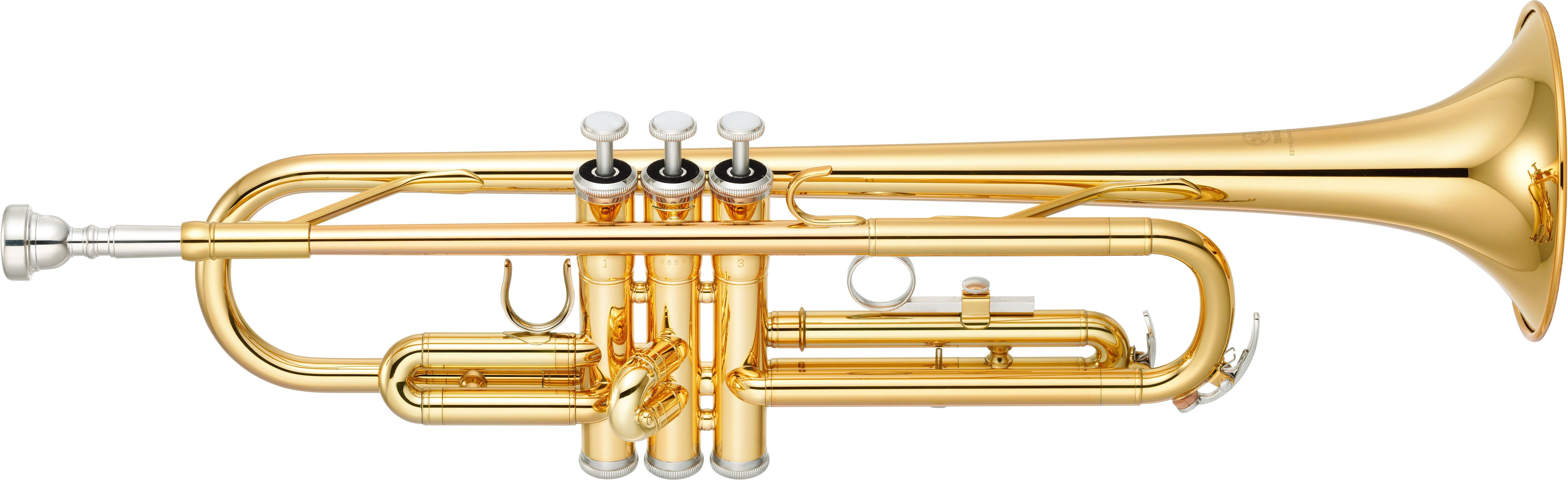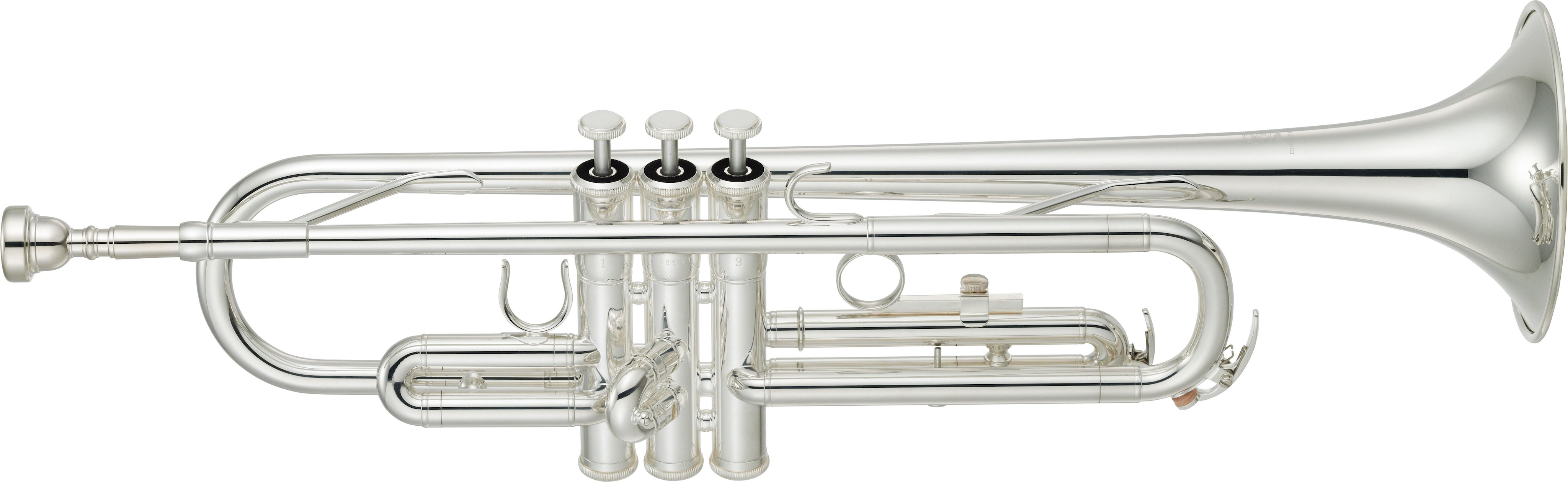
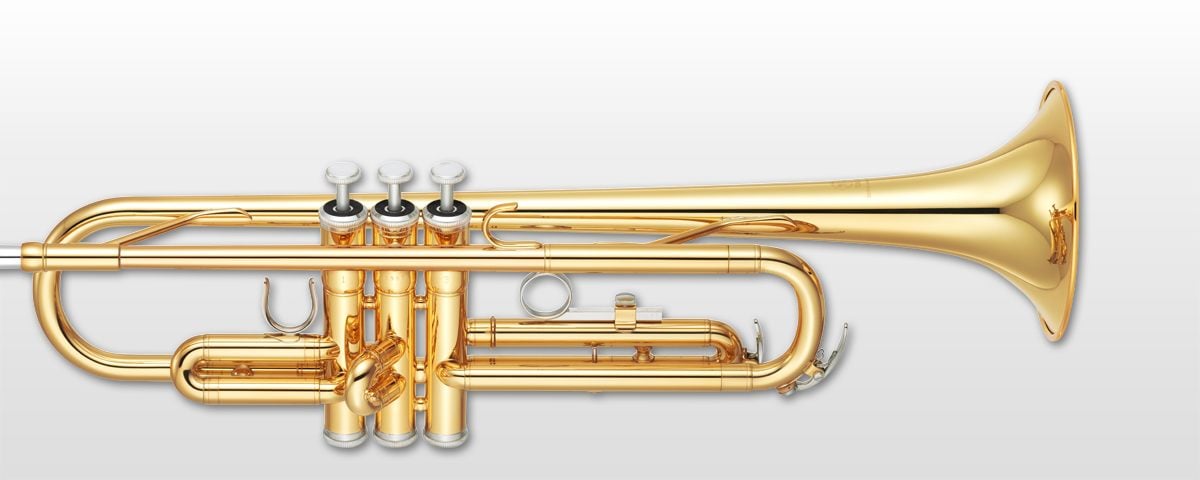
The two-piece bell of the YTR-2330 is crafted using state-of-the-art production methods, delivering a consistent, vibrant tone. The balanced weight and addition of an adjustable third valve trigger allows for a natural hand position and promotes proper playing technique, while the water key on the third valve slide adds to the ease of use and over-all playability of the instrument.
Features
Yellow brass bell
The newly redesigned, durable yet light two-piece bell is made of yellow brass for optimal playability and to promote good technique and endurance.
Features
Yellow brass bell
The newly redesigned, durable yet light two-piece bell is made of yellow brass for optimal playability and to promote good technique and endurance.
New piston, piston caps and buttons
The picture shows YTR-2330S
Highly durable monel alloy pistons as well as newly designed piston buttons and bottom caps help lengthen the life of the instrument while also maximizing sound quality.
New tuning slides
The 2nd and main tuning slides are produced using the same method as high-end Yamaha models, which provides stability, a more refined tonal color and added durability.
Technology
Audio & Video
Specs
Specifications
| Level | Standard | |
|---|---|---|
| Key of | Bb | |
| Bore | ML: .459" | |
| Bell Diameter | 4 7/8" | |
| Leadpipe | Gold Brass | |
| Body Material | Yellow Brass | |
| Bell Material | Yellow Brass; Pluzuma welded | |
| Weight | Medium | |
| Key Buttons | Plastic | |
| Finish | Gold epoxy lacquer (YTR-2330); Silver (YTR-2330S) | |
| Pistons/ Valves | monel alloy | |
| Mouthpiece | TR-11B4 | |
Optional Accessories
Support
FAQs
Contact
Online Help
Warranty
Reviewed by 1 customer
Displaying review 1
(4 of 4 customers found this review helpful)
Most fun trumpet I've played
By Dima
from Negev Desert, Israel
About Me Experienced
Pros
- Cheap
- Comfortable To Hold
- Easy To Play
- Great Intonation
- Very Lightweight
Cons
- Requires Frequent Oiling
- Valve Caps Hard To Screw
Best Uses
- All-round Instrument
Comments about Yamaha ytr-2330:
I have 12 years of experience as a trumpetist; 7 of them as a lead player of a wind orchestra and a Big Band. Currently, I don't earn money from playing, so I classified myself as "Experienced", rather than "Professional Musician".
I've been playing the same Bach Omega trumpet for 8 years and decided it's time for a change. I went for a Yamaha, because my first trumpet was the standard YTR-1335 and I remembered the low price, consistency and fun nature of Yamaha's trumpets.
I bought the YTR-2330 three months ago and it's the best all-round trumpet I've played. Although it isn't made in Japan as the old 1335 and 2335, it feels very solid and well-built. I got mine with two drops of excess glue on the top cap of the first valve; besides this, great construction.
It's undoubtedly the most fun trumpet I've ever tried. It has a very rich tone and and awesome intonation. Its low C# and D are always in tune! In the low register, I get a very rich and dark tone, while in the upper register, I get a bright and powerful tone perfect for jazz parts. I don't notice any difference between my tone with this trumpet, compared to the tone I get with more expensive ones. However, tone is a very personal and subjective thing and your experience might differ from mine.
Also, I really like how ergonomic this trumpet is: the thumb saddle angle and the adjustable ring make it very comfortable for child's hands. I have very small hands and use Yamaha's synthetic valve guard: it's very comfortable for me, much more than Bach or Jupiter trumpets. In fact, it's the only trumpet I can comfortably hold with a valve guard on.
In addition, this trumpet's bell is very lightweight; try to hold a 2335 (or a Jupiter entry-level trumpet) in your strong hand and this one in your weak hand, then lift both using the wrist muscles: there is a huge difference. This trumpet is incredibly lightweight: it's so much fun to "dance" while you play it.
Moreover, this trumpet comes with the best trumpet case I've had. It's a very thin and lightweight case with a back strap. It's very small and convenient for travel, but has the disadvantage of less room for mutes: my straight mute hardly fits in its pocket. Don't judge this case by photos: go to the nearby music store and see it, as I did.
Since I bought this trumpet after a good experience with the 1335, I'll make a quick comparison. The 1335 has slightly better sound projection and its valve casing caps are easier to put on. However, the 2330 is a bit easier to play, much lighter, has a thumb saddle and two water keys. In other words, the 2330 has all the standard trumpet features the 1335 misses, so I find it to be a better trumpet for beginners.
Personally, I play both the lead and second parts using this trumpet (with the 16C4 standard mouthpiece) in the orchestra, in many genres, ranging from Baroque music to late 20th century jazz. Great sound; it blends very well in any piece.
To sum it up - I don't know how this trumpet compares to Yamaha's more expensive trumpets, but I'd highly recommend it to anyone willing to play the trumpet, those who need a durable, fun-to-play trumpet or those who need a second trumpet, for use as a backup, practice or marching band trumpet.
Remember - no matter how expensive your trumpet is - if you're a good musician, you'll sound great on any instrument.
Bottom Line Yes, I would recommend this to a friend
(4 of 4 customers found this review helpful)
Was this review helpful? Yes / No
- You may also flag this review
Displaying review 1